
Last updated October 17, 2026
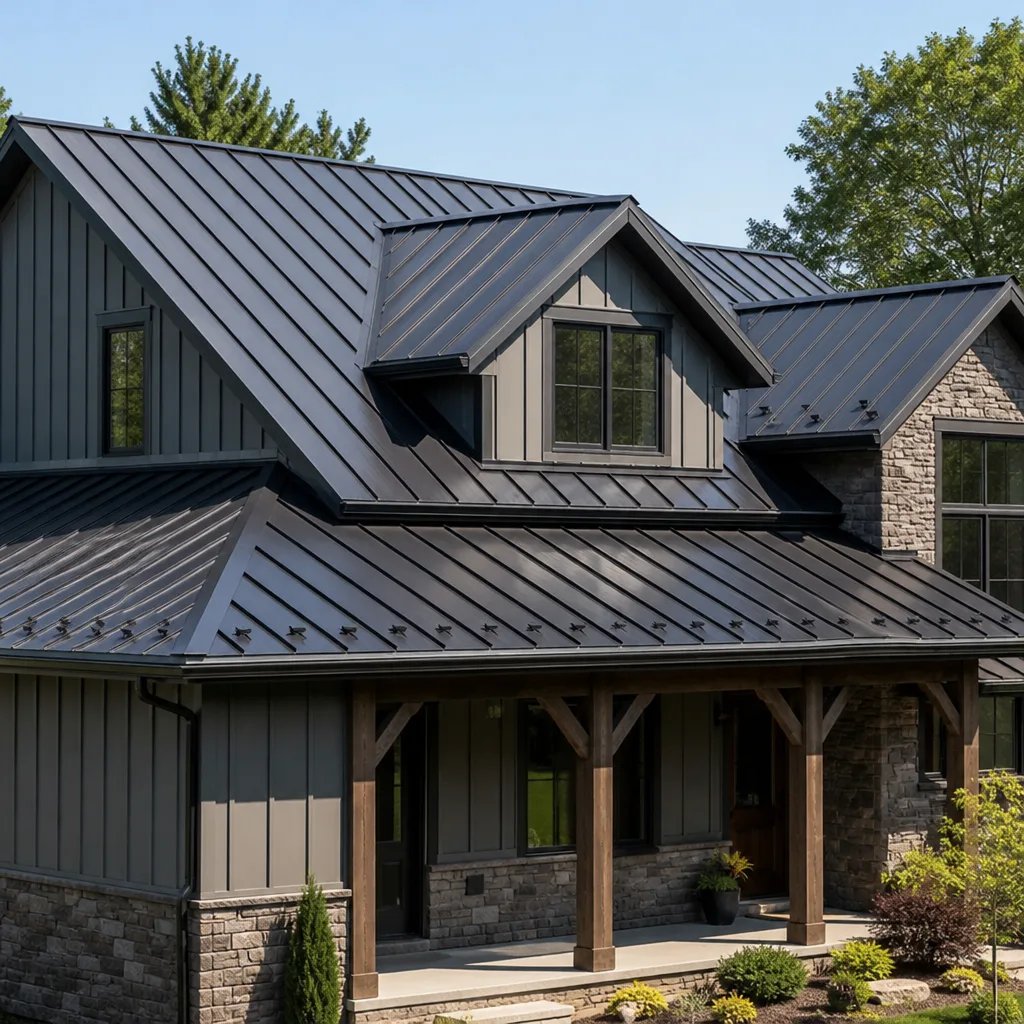 Metal roofing
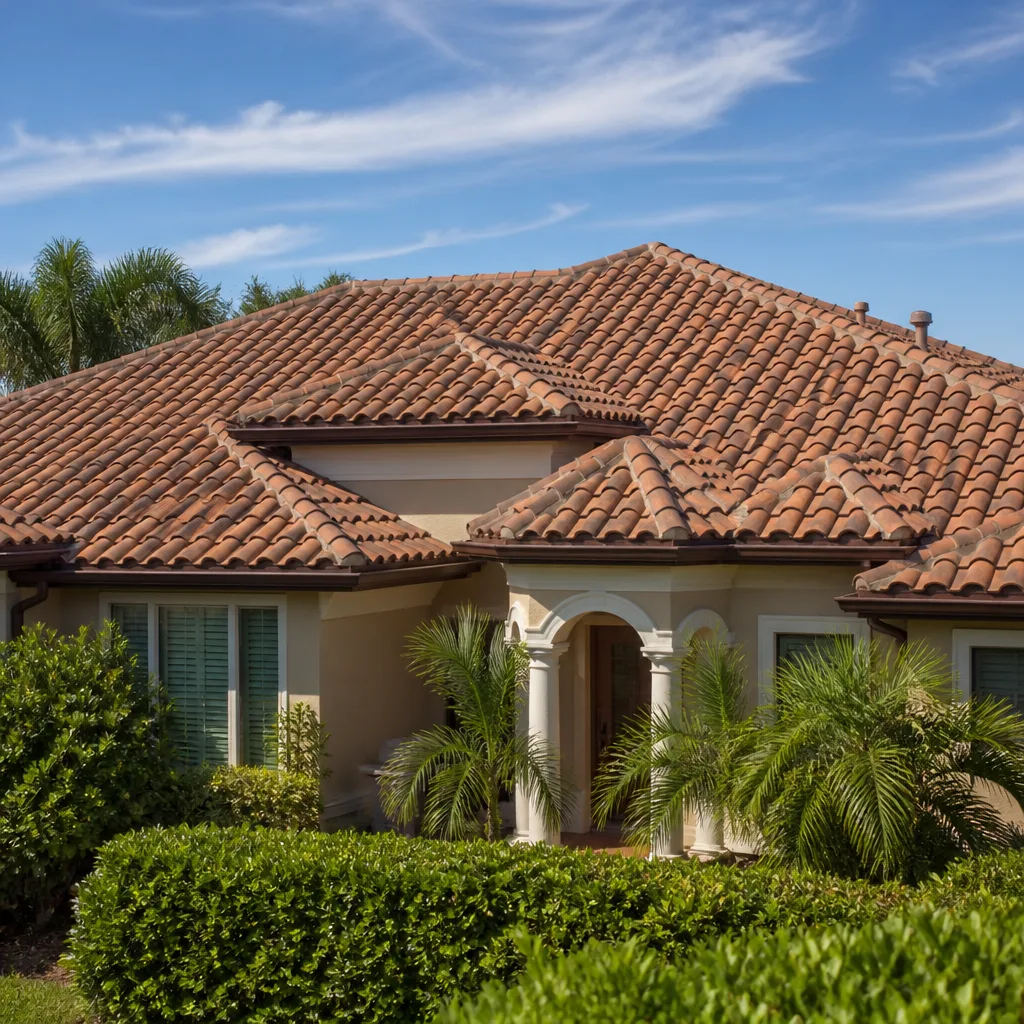 Tile roofing
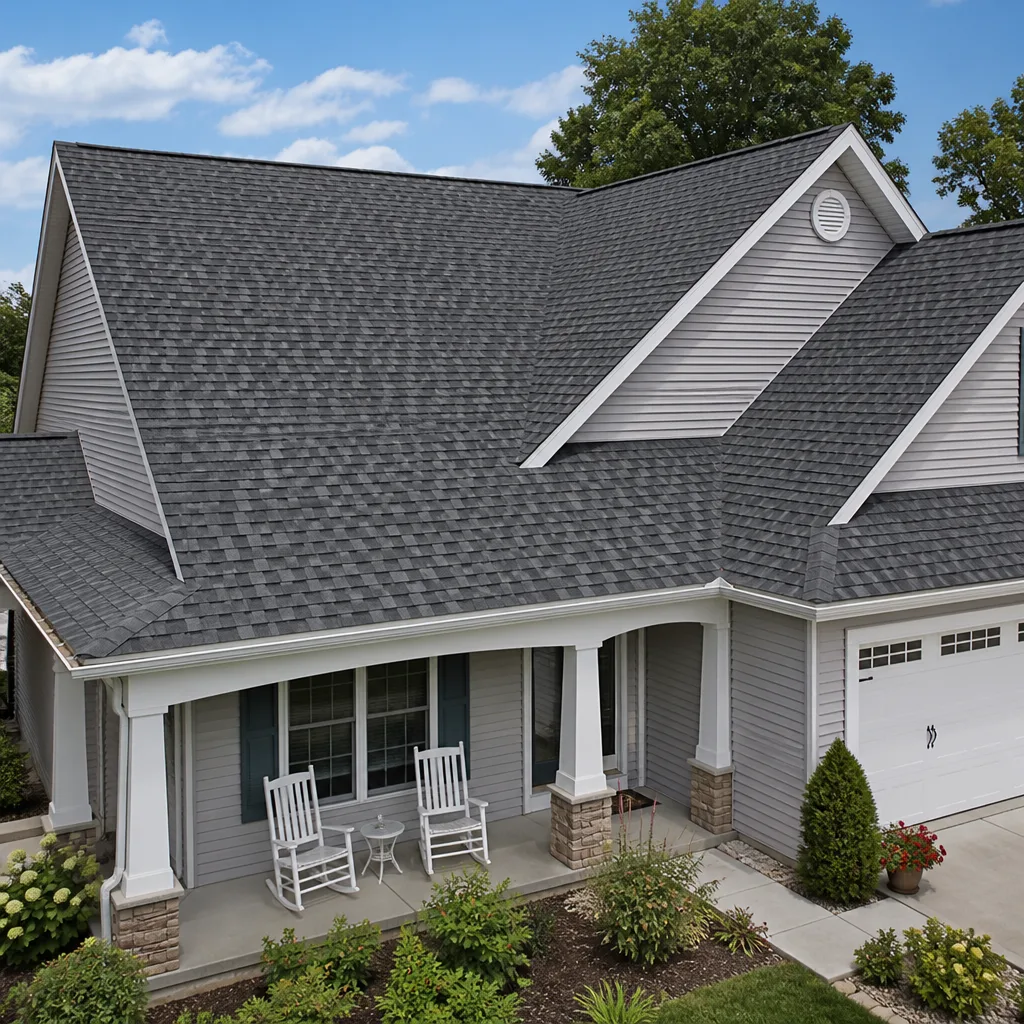 GAF
GAF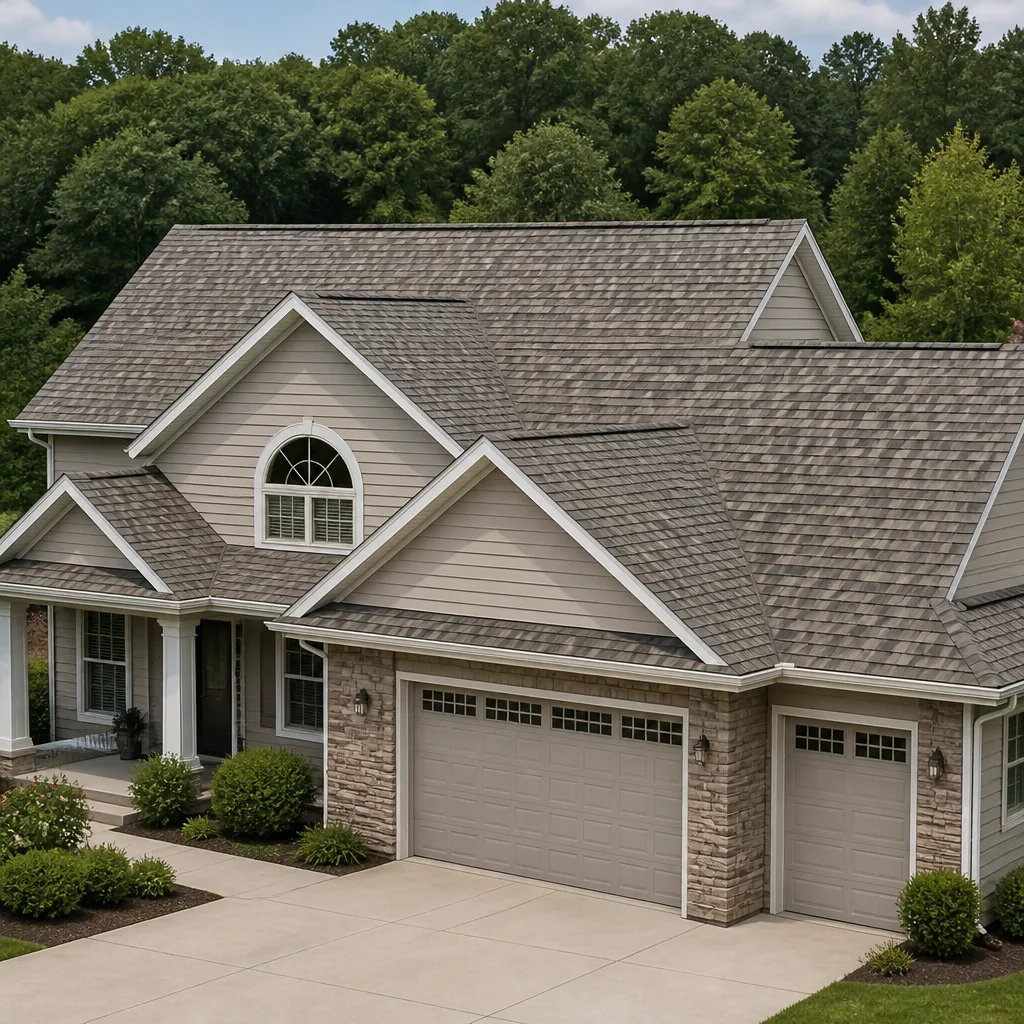 Owens Corning
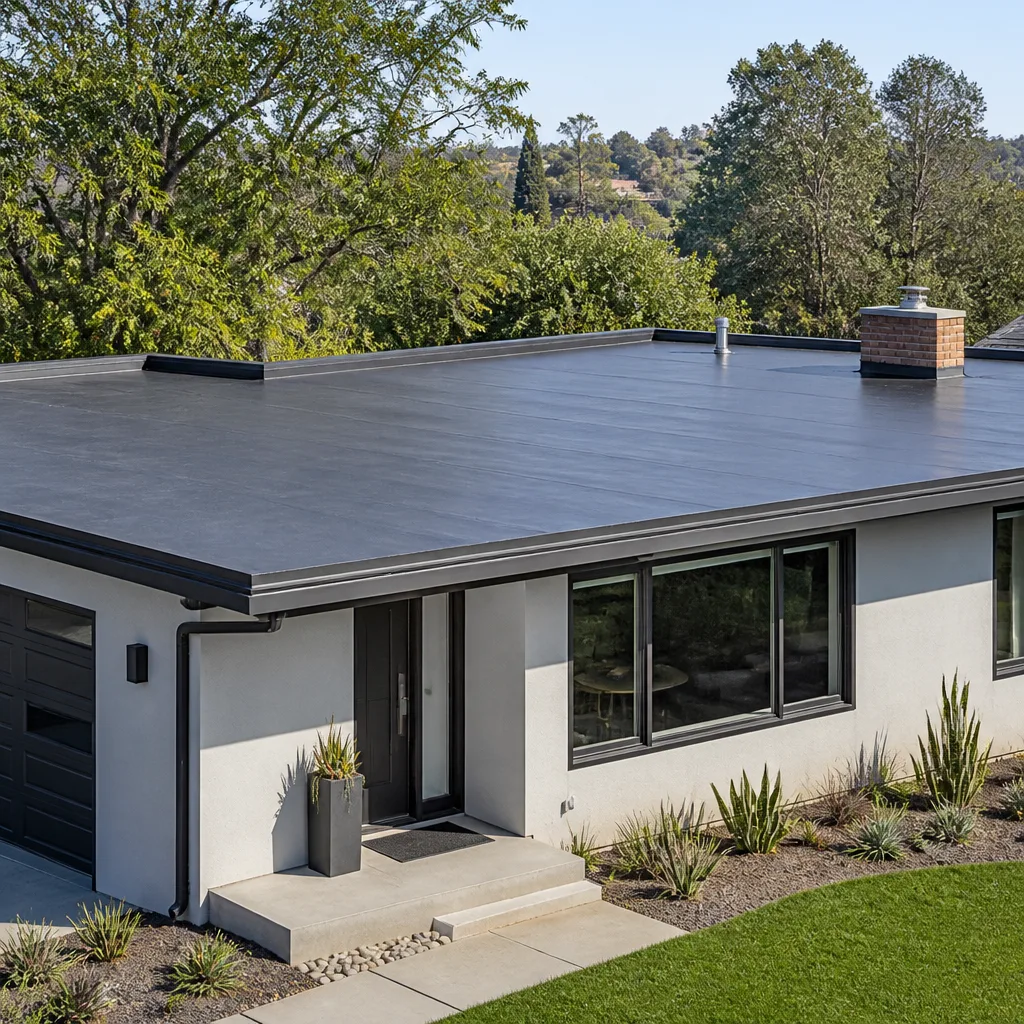 Flat & low-slope
Free roof inspection with deck photos before we talk money - GAF and Owens Corning certified installation
DIY vs Professional Roofing: The Pasadena Homeowner’s Decision Guide
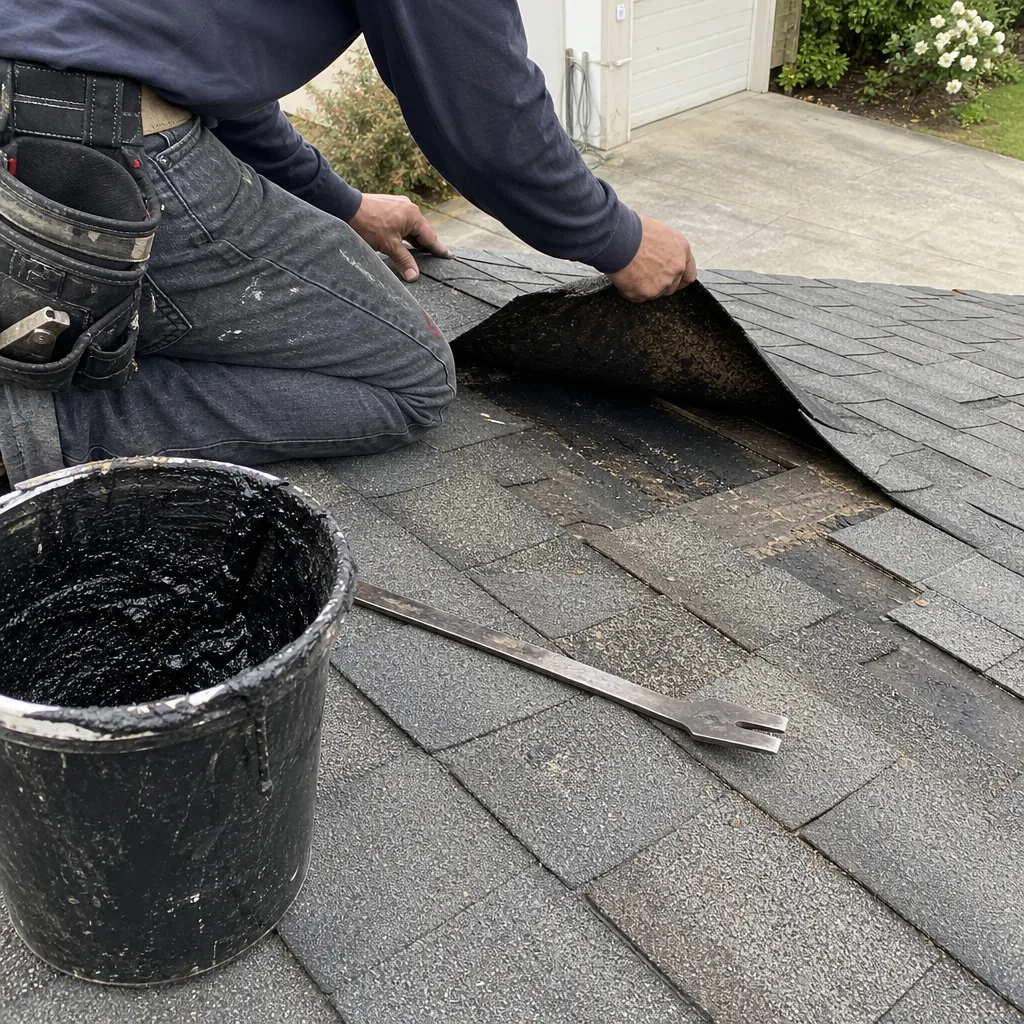
A DIY roof repair in Pasadena that skips a building permit can void your homeowner’s insurance coverage for subsequent water damage. That means the $600 you saved on labor could turn into a $30,000 uncovered claim after the next winter storm. This guide walks through the math that most DIY roofing tutorials leave out: what you actually save, what you risk, and how to tell which category your specific project falls into before you climb a ladder in Pasadena.
Styles & brands we work with
Quick Answer
For most roofing work on a Pasadena home, hiring a licensed professional is the safer financial decision once you factor in permit liability, insurance coverage gaps, manufacturer warranty requirements, and the real cost of a fall. A capable DIYer can genuinely save money on gutter cleaning, minor flashing re-caulking, and replacing individual broken tiles where access is safe and no structural work is involved. Everything else belongs with a licensed contractor.
Table of Contents
- The True Cost of DIY Roofing in Pasadena
- What a DIYer Can Safely Handle (And Save Money On)
- California’s Contractor Licensing Laws and Why They Matter
- How DIY Roofing Voids Manufacturer Warranties
- Permit Liability: The Risk That Compounds Quietly
- The Fall Risk Calculation on Pasadena Roofs
- The Three-Question Decision Framework
- Common Mistakes to Avoid
- When to Call a Professional
- Frequently Asked Questions
- The Bottom Line
The True Cost of DIY Roofing in Pasadena
The DIY roofing pitch usually sounds like this: materials for a small repair run $80 to $200, a contractor charges $600 to $1,200, so you save roughly $500 to $1,000 by doing it yourself. That math is real but incomplete. Here’s what the same job looks like once you factor in the three risks that don’t show up on a Home Depot receipt.
Risk one: the permit. Pasadena requires permits for most roofing work beyond basic maintenance. Skip the permit and you’ve created a legal liability that follows the house, not just the repair. If you sell the home, unpermitted roof work can stall escrow. Pasadena’s disclosure requirements mean you or your agent must reveal unpermitted modifications, and buyers routinely demand repairs or credits when they find them. The permit itself is not expensive; the liability of not having one is.
Risk two: the insurance gap. Homeowners insurance policies include language about “reasonable maintenance” and proper permitting. If a DIY repair fails and water damages the interior, the insurer investigates. They find unpermitted work, they find a non-licensed person did it, and they have grounds to deny the claim. In Pasadena, where winter rains arrive in concentrated bursts, the water intrusion from a failed DIY patch can easily run into five figures of interior damage before you even notice the leak.
Risk three: the warranty void. Shingle and tile manufacturers such as GAF, CertainTeed, and Boral require licensed-contractor installation for warranty validity. If you install the materials yourself or pay a handyman without a C-39 roofing license, you have no manufacturer warranty. That matters not just for future repairs but for resale. A buyer’s inspector can flag non-warrantied DIY roofing, and you’ll likely pay for it in the negotiation.
We work in Pasadena every week, and we’ve seen all three of these play out. The homeowner who saved $700 on a DIY flashing repair and then paid $18,000 for interior water damage. The homeowner whose escrow fell through because of an unpermitted roof section. The fix for all of these is the same: know the real cost before you start.
What a DIYer Can Safely Handle (And Save Money On)
Not every roofing task needs a contractor. Here are the ones where a careful homeowner can legitimately save money without creating permit liability or insurance exposure. All of these are classified as maintenance, not modification, under Pasadena’s building code.
Gutter cleaning and inspection. Clogged gutters in Pasadena’s oak-lined neighborhoods (think the streets north of Colorado Boulevard) send water over the fascia and into the soffit. Cleaning gutters twice a year, and checking the downspout connections, is a weekend task for most homeowners. You save $150 to $300 per cleaning, and the risk is limited to ladder safety. Use a standoff stabilizer if you’re working near the roofline.
Minor flashing re-caulking. Flashing (the metal strips that seal joints around chimneys, vents, and roof penetrations) can develop hairline gaps as the caulk ages. If the flashing itself is intact and you’re only refreshing the sealant, that’s maintenance. A tube of exterior-grade polyurethane caulk costs about $12. The pro version runs $150 to $250. Stay off the roof edges, work from a stable ladder, and never lean out beyond your center of gravity.
Replacing individual broken tiles where access is safe. On single-story Pasadena homes with low-pitch roofs and safe access from a ladder or the roof itself, a homeowner can replace one or two cracked concrete tiles. Tiles run $3 to $8 each at local supply yards. The key word is “safe access.” If you need to walk on the roof to reach the broken tile, the risk calculation changes dramatically.
What all three of these have in common: none of them require a permit, none of them affect your insurance coverage, and none of them void a manufacturer warranty because you’re not altering the roof system. They’re the DIY tasks that actually save money, as our Roof Repair Maintenance Checklist for Pasadena Homeowners outlines in detail.
California’s Contractor Licensing Laws and Why They Matter
California requires any contractor performing work valued at $500 or more in combined labor and materials to hold a state license. For roofing, that’s a C-39 Roofing license or a B1 General Building license. This is not a formality. It’s a consumer protection law with real teeth for both the contractor and the homeowner.
When you pay a friend, neighbor, or unlicensed handyman to re-roof your Pasadena home for cash, you’re not hiring a roofer. You’re hiring an unlicensed contractor, which means:
- You have no recourse through the California Contractors State License Board if the work fails.
- Your homeowner’s insurance policy may exclude damage caused by unlicensed work.
- You are the de facto employer, which makes you liable for workplace injuries on your property.
- Material manufacturers will not honor warranties on products installed by unlicensed workers.
- If the unlicensed worker is injured, your homeowner’s insurance may be the only coverage available for their medical costs and lost wages.
That last point deserves restating. If your friend falls off your roof and breaks their arm, your insurance is the payer. That’s a claim against your policy, a potential premium increase, and a lawsuit risk depending on the circumstances. The $1,500 you saved on labor looks small against a six-figure personal injury settlement.
Licensed Pasadena roofers carry workers’ compensation insurance because the law requires it. That means their crews are covered if they’re hurt on your roof. You’re not the employer. You’re the customer. That distinction is worth the labor cost by itself.
How DIY Roofing Voids Manufacturer Warranties
Most homeowners never read the fine print on their shingle or tile warranty until they need it. Here’s what the major manufacturers say, and what it means for a DIY roof in Pasadena.
GAF, CertainTeed, Owens Corning, Tamko, Atlas, and Boral all structure their warranties around licensed installation. The warranty terms typically require that materials be installed by a contractor licensed in the state where the work is performed, following the manufacturer’s published installation specifications. Install the shingles yourself, or have your cousin do it, and the manufacturer’s warranty simply does not exist.
That has two consequences homeowners rarely consider. First, you lose the ability to file a claim if the shingles fail. A manufacturing defect that would normally be covered becomes your problem out of pocket. Second, and just as important in Pasadena’s resale market, the absence of a warranty is a red flag during a buyer’s inspection. Pasadena homes sell fast, but they also sell to buyers who ask questions about the roof. Non-warrantied DIY roofing is a negotiation lever for the buyer’s agent, and it usually costs the seller more than the original labor savings.
We install using materials from GAF and CertainTeed because their warranties are clear and their claims process is straightforward. When the roof is installed by a licensed contractor, the warranty follows the roof and transfers to a new owner in most cases. That’s an asset when you sell. DIY roofing is a liability when you sell.
Permit Liability: The Risk That Compounds Quietly
Pasadena’s building department requires permits for roof replacements, structural repairs, and most modifications to the roof system. The permit process exists to ensure the work meets California building codes, including the state’s strict seismic and wind-load requirements. Pasadena sits in a high-wind zone with its own code amendments, and the inspection process verifies the work meets those standards.
A DIY roof replacement without a permit carries three compounding liabilities. First, you’re in violation of Pasadena’s municipal code, which can trigger fines and a stop-work order if you’re caught mid-project. Second, when you sell the home, you must disclose the unpermitted work. Buyers in Pasadena’s competitive market often accept unpermitted work if it’s disclosed, but they use it as a price negotiation tool. Expect to give back more than the permit cost. Third, if the unpermitted roof fails and causes damage, your insurance company has grounds to deny the claim based on the unpermitted status of the work.
The permit itself is not the expensive part. City permit fees for a typical Pasadena roof replacement run in the low hundreds. The inspection adds a morning to the project. What you’re paying for is the paper trail that protects you later. As Dylan Pace, owner of Crestview Roofing Co Pasadena, puts it: “The permit is the cheapest insurance policy you’ll ever buy on your own house.”
The Fall Risk Calculation on Pasadena Roofs
Pasadena’s housing stock is dominated by two roof profiles: the Craftsman bungalow, with pitches running 4:12 to 7:12, and the Spanish Colonial or Mediterranean, with often steeper slopes and clay tile surfaces that are brittle and unforgiving. Both present fall risks that are easy to underestimate.
OSHA’s residential fall statistics are sobering. Falls account for the majority of construction fatalities, and roofs are the most common fall location. The data includes professionals who work on roofs every day. A homeowner who climbs onto a roof once a year is working with less experience, less safety equipment, and often no spotter. The risk scales sharply with roof pitch. A 4:12 roof is walkable with care. A 7:12 roof requires roof jacks or a safety harness. Clay tile roofs add another layer of danger: the tiles crack under foot traffic, and a cracked tile becomes a sliding hazard.
Here’s the calculation we recommend. If your roof work requires walking on the roof surface, and your roof pitch is 6:12 or steeper, the DIY savings are not worth the fall risk. A fall from a single-story Pasadena roof is a 12-to-15-foot drop. That’s the height that produces serious orthopedic injuries: fractured wrists, broken ankles, spinal compression, head trauma. The medical costs alone – even with excellent health insurance – will exceed the labor cost of any roofing job. And that’s before you consider lost work time and the damage to the roof itself.
Roofing falls are not inevitable, and professionals prevent them with harnesses, roof jacks, and years of practice. That prevention is part of what your labor dollar pays for.
The Three-Question Decision Framework
Instead of a blanket “always DIY” or “never DIY” rule, use this framework for any specific roofing task on your Pasadena home. It produces a clear recommendation in under a minute.
- What’s the scope? If the task is maintenance (cleaning, caulking, inspecting, single-tile replacement with safe access), DIY is on the table. If the task is repair or replacement (flashing replacement, shingle section replacement, underlayment work, full replacement), hire a pro.
- What’s the permit threshold? If the task requires a Pasadena building permit, hire a licensed contractor. Unpermitted work creates legal, insurance, and resale liabilities that outweigh any labor savings. When in doubt, call the city’s building department or ask a licensed roofer.
- What’s the warranty impact? If the task involves installing or altering roofing materials (shingles, tiles, underlayment, flashing), it affects the manufacturer warranty. Licensed installation keeps the warranty alive. DIY or unlicensed installation kills it. If you own a newer roof that’s still under warranty, this question alone makes the call.
Work through those three questions and the answer is usually clear. A gutter cleaning passes all three. A roof replacement fails all three. That’s the signal.
Common Mistakes to Avoid
- Pricing only the materials. The real cost of DIY roofing includes your time, the tools you don’t already own, the disposal of old materials, and the risk-adjusted cost of failure. A $150 material bill can become a $5,000 mistake.
- Skipping the permit to save a few hundred dollars. Pasadena’s permit fees are modest. The penalty for unpermitted work is not modest, especially when it surfaces during a real estate transaction or an insurance claim investigation.
- Hiring an unlicensed handyman for roofing work. The $500 threshold in California law exists to protect you. Paying cash to someone without a C-39 license means you carry all the risk, including workplace injury liability on your own property.
- Assuming homeowner’s insurance covers DIY failures. Insurance policies require proper maintenance and, in many cases, permitted work. A failed DIY repair that causes interior damage is exactly the kind of claim adjusters look at closely.
- Walking on clay tile without knowing how. Pasadena’s Spanish-style homes have tile roofs that crack under concentrated weight. A single misstep can break tiles, create leaks, and turn a small repair into a large one.
- Ignoring the resale impact. Every repair or replacement on your roof becomes part of the home’s record when you sell. Unpermitted, non-warrantied, visually-questionable DIY work is a price concession waiting to happen.
- Underestimating roof pitch danger. A roof that looks walkable from the ground can be dangerously steep once you’re on it. Pasadena’s Craftsman homes often have steeper pitches than they appear to have from the street.
When to Call a Professional
Call a licensed roofer when the task requires a permit, when structural components are involved, when the roof is steep or fragile, when the work affects a manufacturer warranty, or when you’ve already attempted a repair and the leak persists. Pasadena’s rainy season concentrates water intrusion risk into a few winter months, and a small leak left unresolved becomes a large one quickly. Roof Repair in Pasadena done properly the first time costs less than a second repair plus interior water damage.
We offer free estimates on every job, including the small repairs that other companies decline. If you’re not sure whether your project is DIY-safe, call the team at Crestview Roofing Co Pasadena home. We’ll talk through the scope, the permit question, and the warranty impact before you spend a dollar.
Frequently Asked Questions
Most standard Pasadena roof repairs run between $350 and $1,500 depending on scope, with minor flashing caulking at the low end and structural repairs at the high end. A full roof replacement on a typical Pasadena bungalow ranges from $8,000 to $20,000 depending on roof size, pitch, and material choice. For a deeper look at pricing, see our Roofing Cost Breakdown: The Pasadena Homeowner’s Reference for 2026. Call (626) 389-1956 for an exact quote, estimates are free.
Gutter cleaning, downspout inspection, minor flashing re-caulking, and replacing individual broken tiles with safe access are all maintenance tasks that don’t require a Pasadena permit. Any structural modification, roof replacement, or work that alters the roof system requires a permit and a licensed contractor.
DIY roofing that’s done improperly can void your coverage for related claims. If a DIY repair fails and causes water damage, your insurer may deny the claim on grounds of improper maintenance or unpermitted work. The safest path is to keep DIY work to maintenance tasks and hire licensed contractors for repairs and replacements.
Pasadena’s Craftsman homes typically have roof pitches between 4:12 and 7:12, and Spanish-style homes are often steeper with fragile clay tile. A fall from a single-story roof is a 12-to-15-foot drop that produces serious injuries, and the medical costs typically exceed the labor savings of any DIY roofing project.
California law requires any contractor performing roofing work over $500 in combined labor and materials to hold a C-39 or B1 license. Paying a friend or unlicensed handyman puts you at risk for workplace injury liability, voided warranties, unpermitted work penalties, and insurance claim denials.
Any repair that involves structural components, roof decking, underlayment replacement, or more than a minimal material replacement likely requires a permit. Call Pasadena’s building department or a licensed roofer for a specific determination on your project. Call (626) 389-1956 and we’ll tell you over the phone.
The Bottom Line
The DIY-versus-pro roofing decision in Pasadena isn’t about how handy you are. It’s about which risks you’re willing to carry. Maintenance tasks like gutter cleaning and minor caulking are genuinely DIY-friendly and worth doing yourself. Everything above that threshold triggers permit requirements, insurance exposure, warranty voids, and fall risk that almost never pencils out on paper. If your project fails any one of the three questions (scope, permit, warranty), hire a licensed contractor. The labor cost is the cheapest part of getting it right. For more guides & resources, visit our blog.
Written by Dylan Pace, Owner at Crestview Roofing Co Pasadena, serving Pasadena since 2000.
See the difference
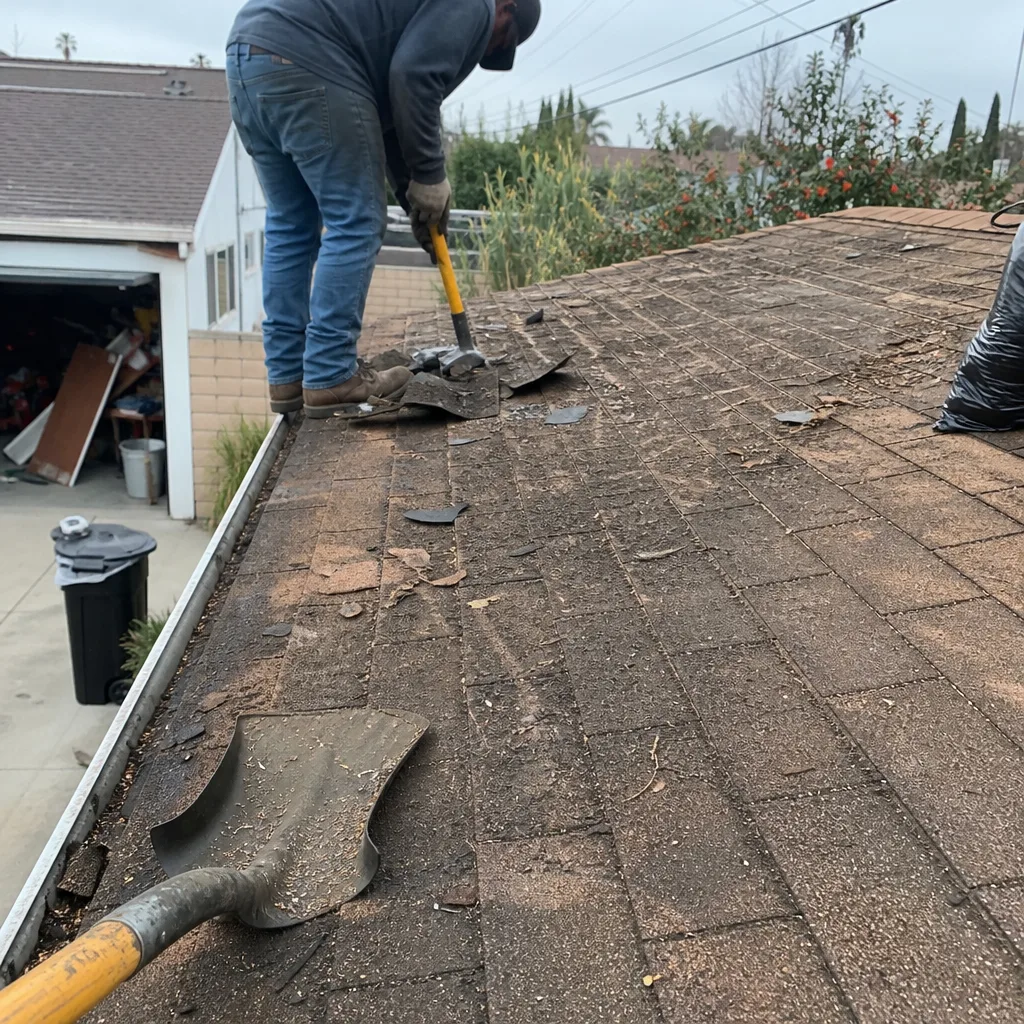 Before
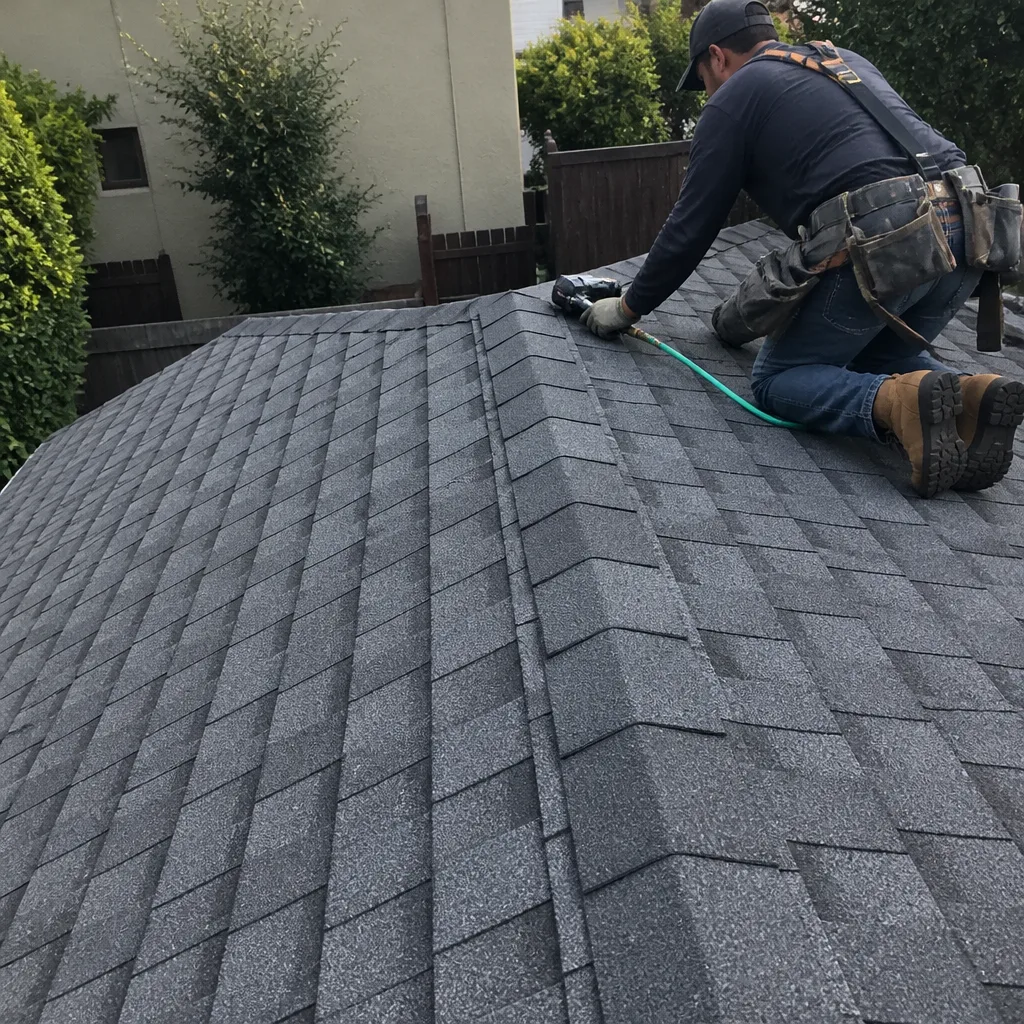 After
After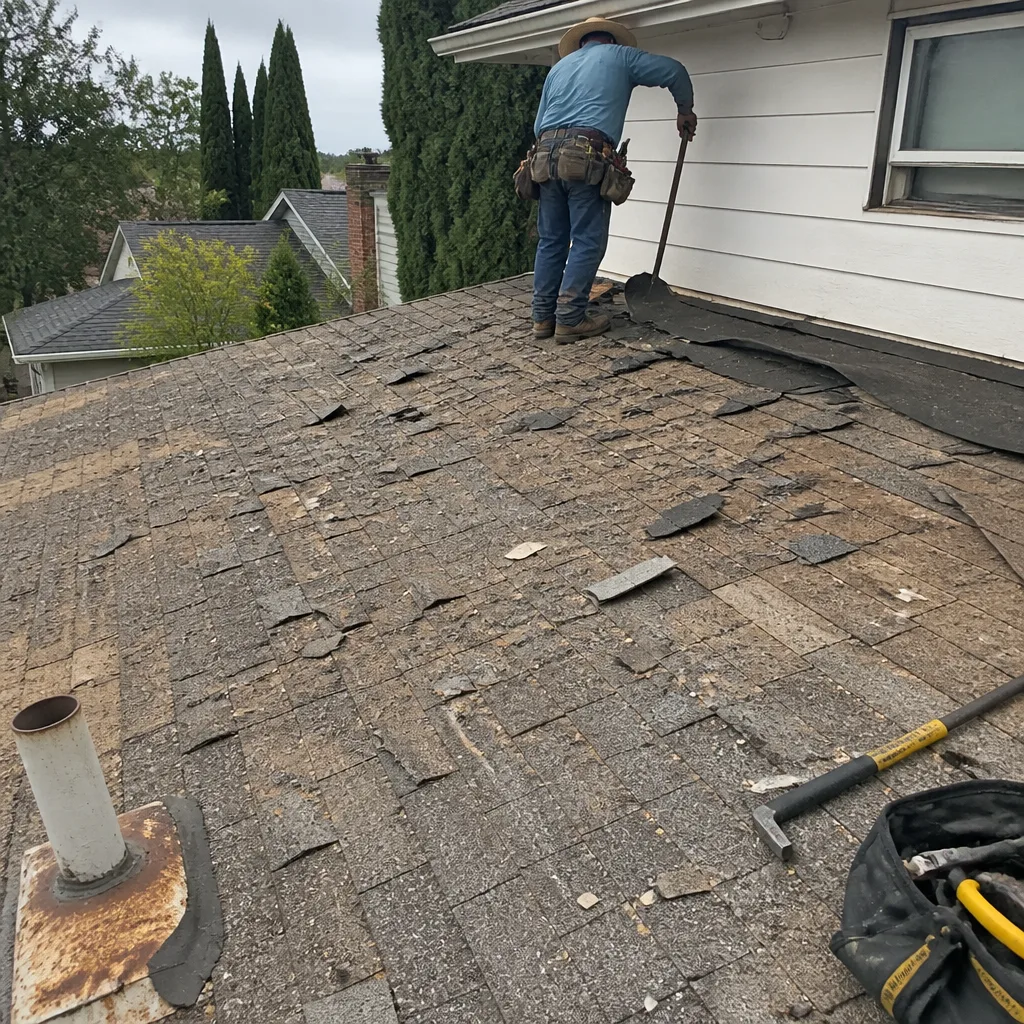 Before
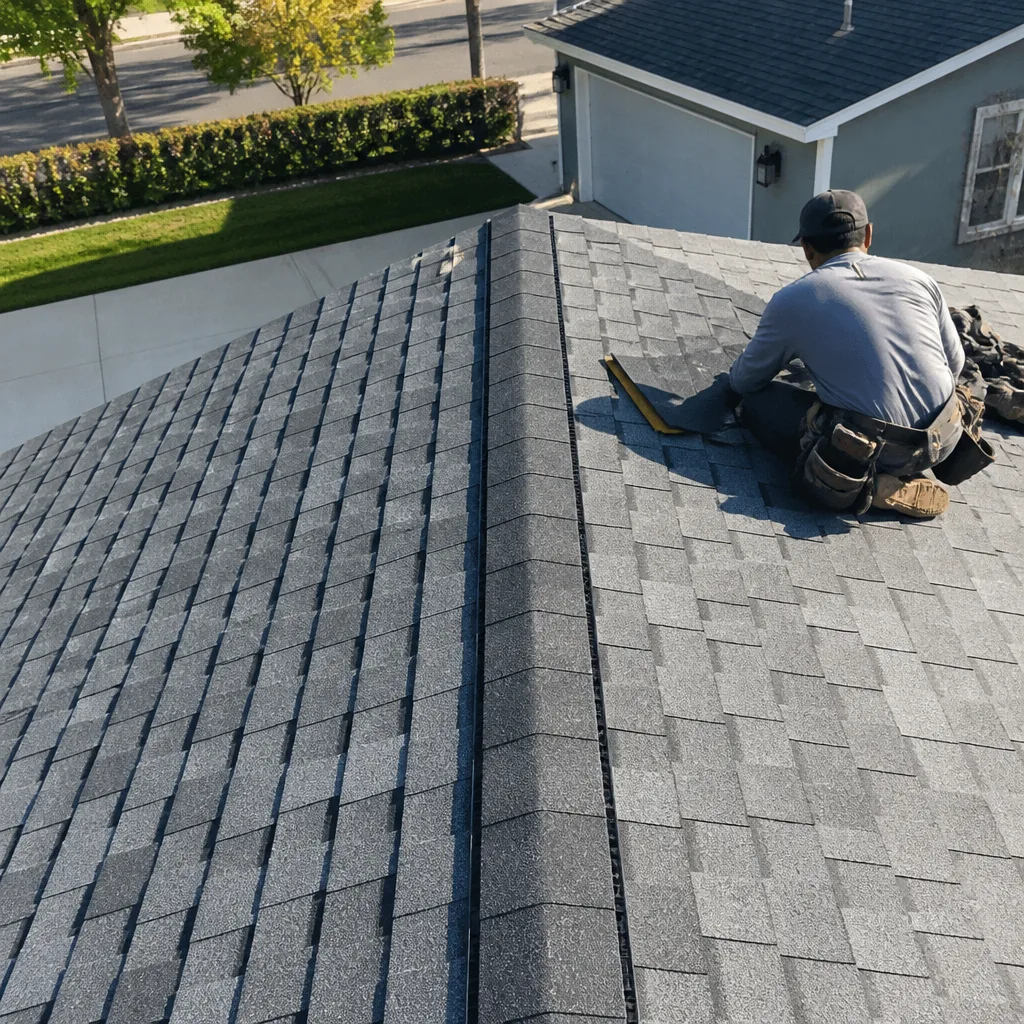 After
After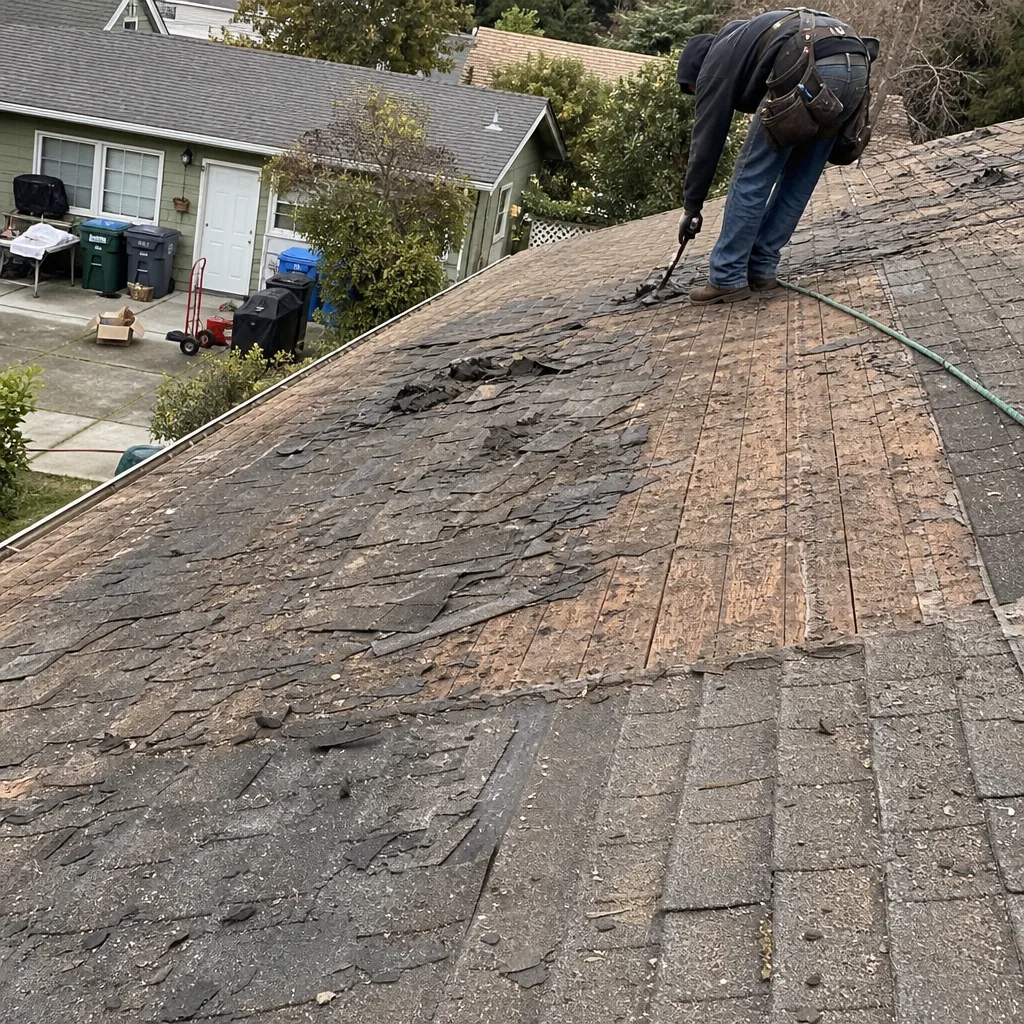 Before
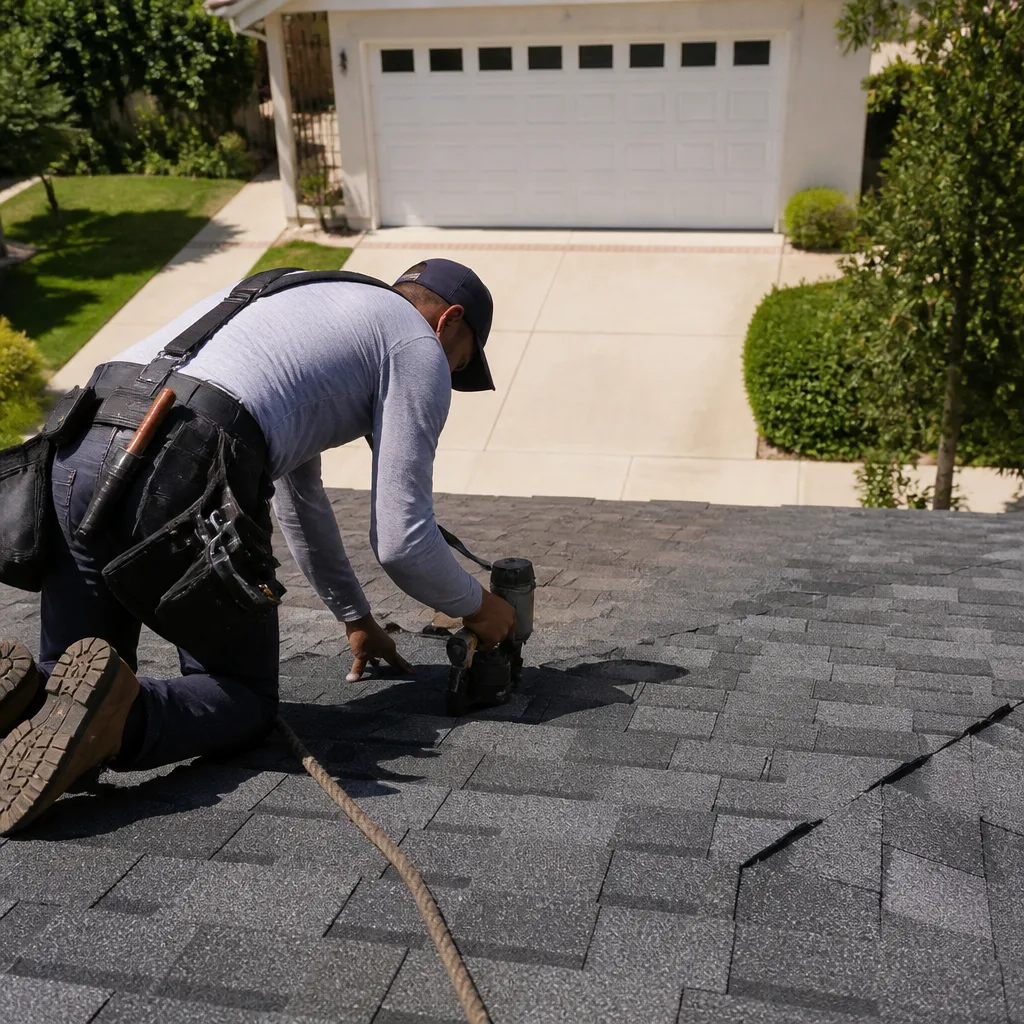 After
After