
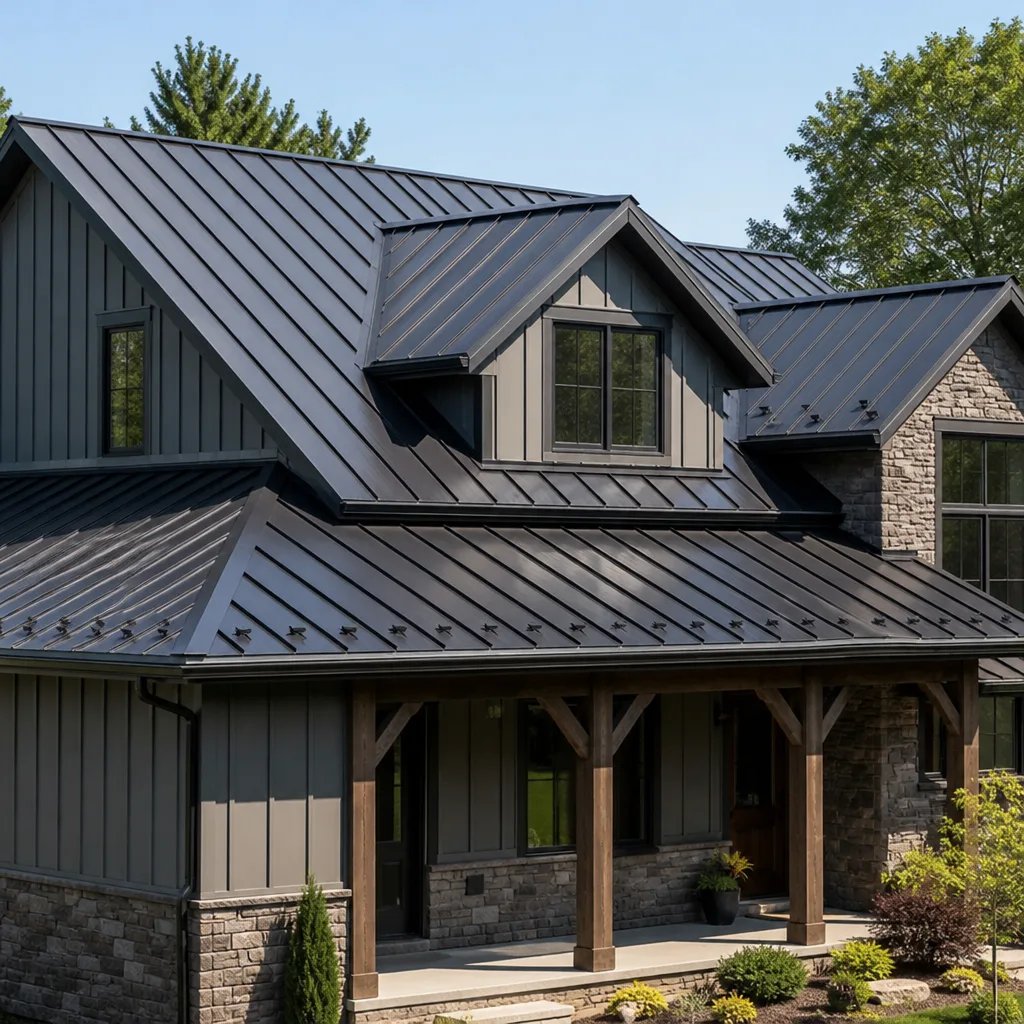
 Metal roofing
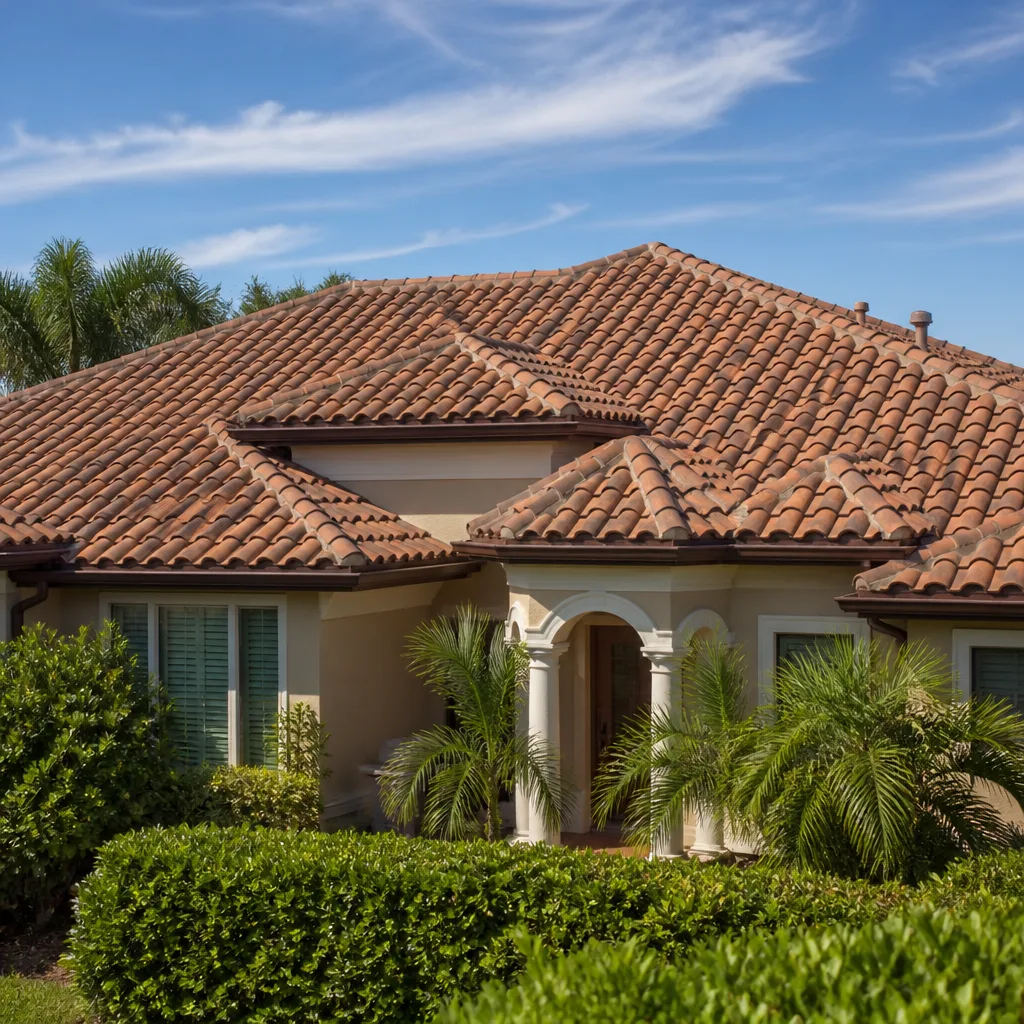 Tile roofing
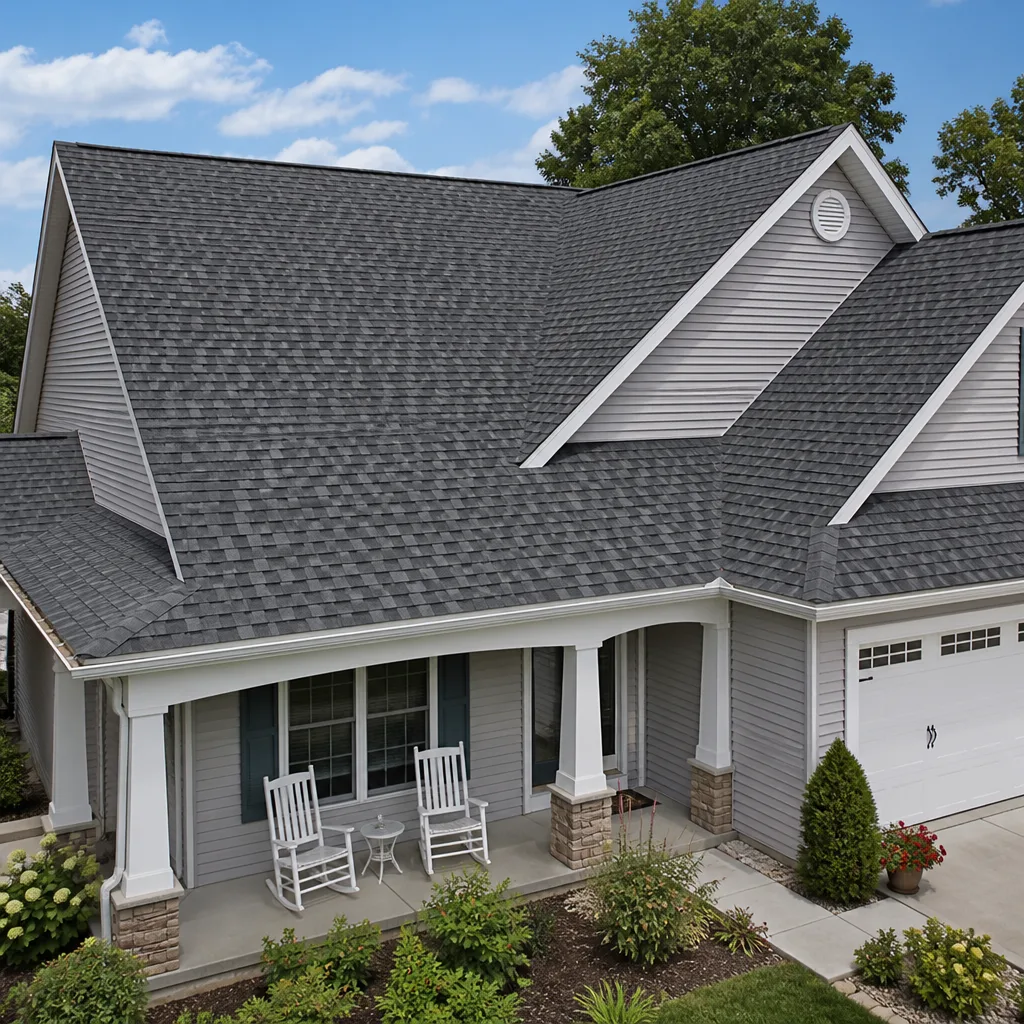 GAF
GAF Owens Corning
 Flat & low-slope
Free roof inspection with deck photos before we talk money - GAF and Owens Corning certified installation
Fast, Reliable Roof Repair Across Atwater Village
Most roof repairs in Atwater Village fall between $350 and $900 for standard work like shingle replacement, leak sealing, flashing repair, and vent boot replacement. Larger repairs that expose structural issues, especially on the neighborhood’s 1920s-1940s clay tile and wood shake roofs, can run $1,200 to $4,500 depending on what we find once we open things up. We dispatch crews into Atwater Village daily from our Los Angeles office, and Dylan Pace leads a team that understands exactly what these older homes throw at you. Call (626) 389-1956 for a written estimate before any work begins.
Here’s what matters in Atwater Village specifically: your roof was probably built before modern underlayment existed. That changes everything about how repairs should be done, what they cost, and what code requires once we start. This page is written for homeowners in Atwater Village who need to know what really happens when a low-pitch clay tile or wood shake roof gets opened for repair. The skip sheathing, the disintegrated tar paper, the permit triggers. Generic roof repair advice never covers this, and that’s exactly why we’re writing it down.
Why Crestview Roofing Co Pasadena Is Atwater Village’s Preferred Roof Repair Company
Atwater Village homeowners call us because we show up with a written price before touching anything, a live arrival time you can track, and photo documentation before and after the work. That’s not marketing language. It’s The Relay Standard, and it’s how every job runs here. We’re part of the Relay Home Co. family, founded in 2000, and every repair we do in Atwater Village is governed by the Relay Visibility Guarantee.
Our Roof Repair team knows the housing stock here: Spanish Colonial Revival homes off Glendale Boulevard, Craftsman bungalows near the LA River bike path, low-pitch roofs that pool water in the wrong spots after a hard January rain. Dylan Pace has walked more Atwater Village roofs than most roofers have seen in a career. That local knowledge means we don’t guess at what’s under your tiles. We inspect, we document, and we price the real scope of work in writing.
Every technician who arrives at your Atwater Village home is background-checked and uniformed. You’ll know exactly who’s coming before they pull into your driveway. And when you call us at (626) 389-1956, a live person answers. Not a voicemail loop. Not a call center that promises a callback by Friday. A person, 24/7.
Styles & brands we work with
Roof Leak Repair in Atwater Village
Roof Leak Repair in Atwater Village typically costs $400 to $850 for a single leak when we can isolate the entry point to flashing, a vent boot, or a cracked shingle. The catch with this neighborhood is that what looks like a tile problem is frequently an underlayment problem underneath, and that’s where the real cost lives.
Here’s what we see constantly: a homeowner notices a ceiling stain after a winter rain, assumes a cracked tile is the culprit, and calls for a quick patch. Then our tech gets on the roof and finds the original clay tile was installed directly over skip sheathing with tar paper that has turned to powder. The leak isn’t a tile at all. It’s decades of failed waterproofing underneath. Fixing that properly means opening the area, replacing rotted decking, laying down a modern water barrier, and reinstalling the tile. That’s a $1,800 to $3,500 repair, and it’s a completely different job than swapping a tile.
What Leak Repair Involves in Older Homes
We trace the water path, not just the visible stain. Water travels horizontally along skip sheathing gaps before it drips, so the entry point is rarely directly above the ceiling mark. Our techs map it from the roof side, remove only what’s necessary, and document everything with photos you’ll receive by text before and after the job.
Flashing and Valley Leaks
Atwater Village’s low-pitch clay tile roofs need custom flashing at valleys and penetrations. Standard one-size flashing, the kind a general handyman buys at the home center, leaks within a year on these roofs. We fabricate flashing to the specific geometry of your roof, then seal it with materials rated for direct sun exposure in this valley’s climate.
Emergency Roof Repair in Atwater Village
Emergency Roof Repair in Atwater Village is available around the clock, and you’ll reach a live person when you call at any hour. Most emergency tarping and temporary sealing runs $450 to $800, with the permanent repair priced separately after we assess the damage in daylight. During heavy El Niño rain events, the priority is stopping water from entering your home, then scheduling the full repair correctly.
For homes with original clay tile, emergency response has a specific protocol. Wet clay tile is slippery and fragile. Our techs use roof ladders and pads to distribute weight so we don’t crack more tiles while stopping the active leak. We also take photos of everything before we touch it, so you have a record of the damage for any insurance claim.
What We Do During the Storm
First, we stop the water. That means tarping the affected area with storm-rated material, sealing the leak at the penetration point, and making sure water is directed away rather than pooling. Then we document the roof condition, write up the damage scope, and give you a written price for the permanent repair before we leave.
After the Storm: Permanent Fixes
Once the rain stops, we return to do the job right. That often means opening the affected area, assessing the skip sheathing beneath, and deciding with you what needs replacing to meet code. We don’t put a tile back over rotted decking. If the decking is compromised, we replace it, and we price that in writing before the work starts.
Trusted Brands We Service in Atwater Village
We install and repair using materials from CertainTeed, Owens Corning, and IKO, among others. For Atwater Village specifically, we stock clay tile-compatible flashing, underlayment rolls rated for low-pitch applications, and composition shingles in the colors most common to the neighborhood’s Spanish Colonial and Craftsman homes. That local inventory means we don’t wait on a distributor in Commerce to ship a part while your ceiling keeps staining. If we need a specific tile profile to match your 1930s roof, we source it from salvage yards specializing in period-appropriate materials and have it delivered before we schedule the repair. Material quality is never a question here, but matching the aesthetics of a 100-year-old roof takes someone who actually looks at what’s already up there.
See the difference
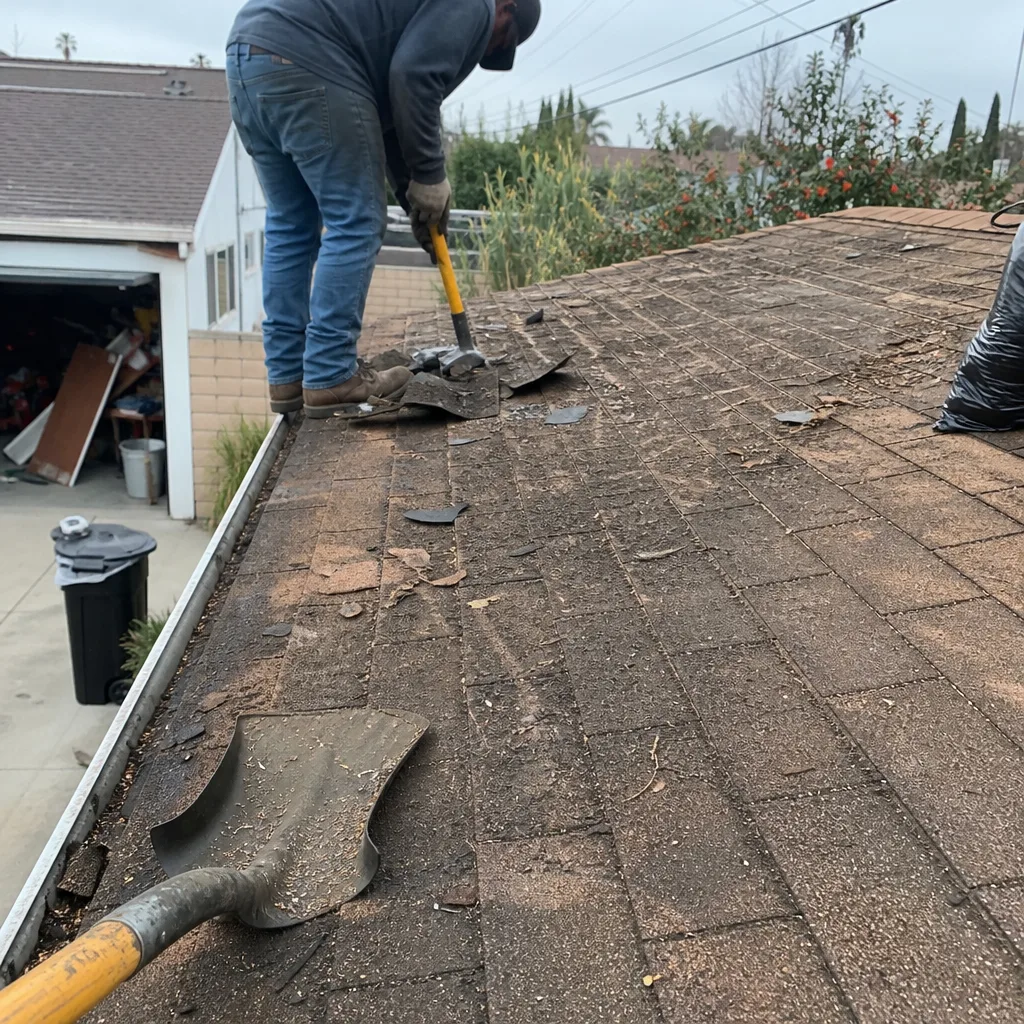 Before
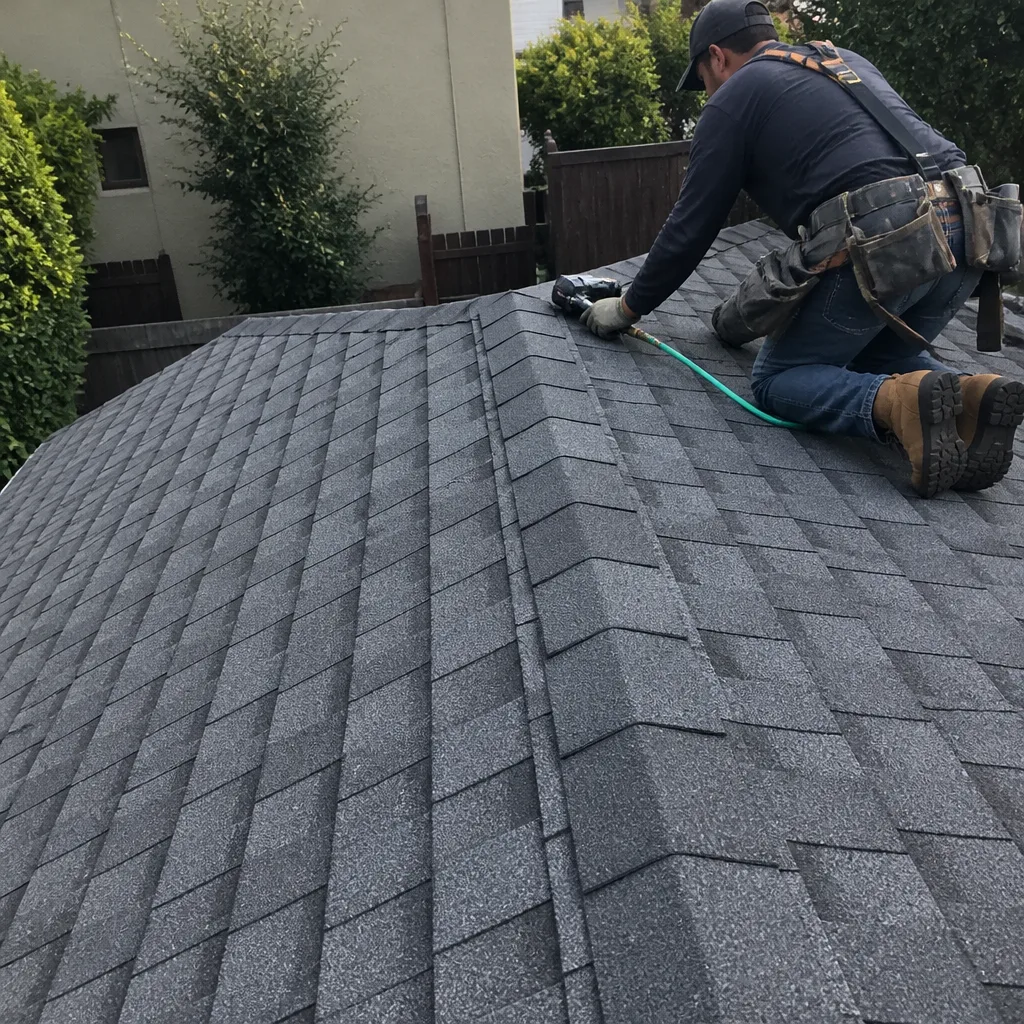 After
After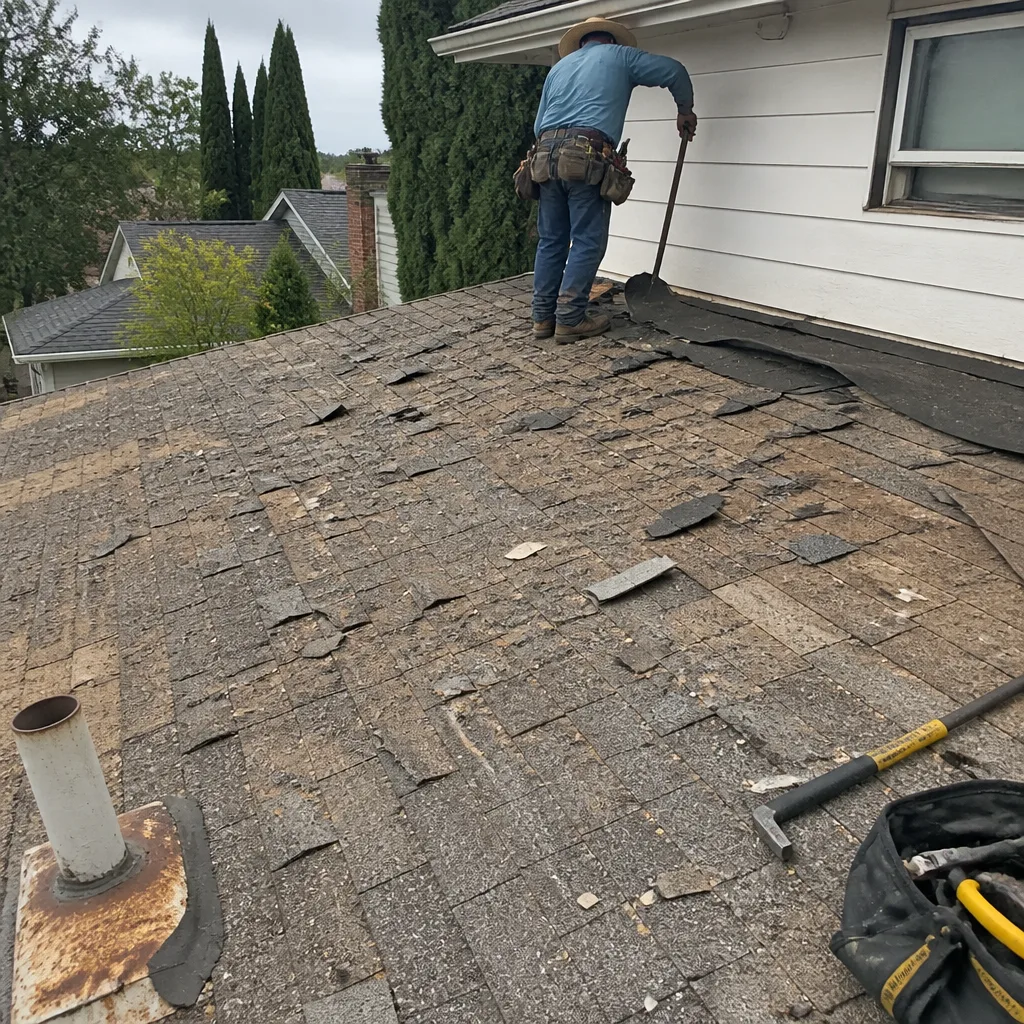 Before
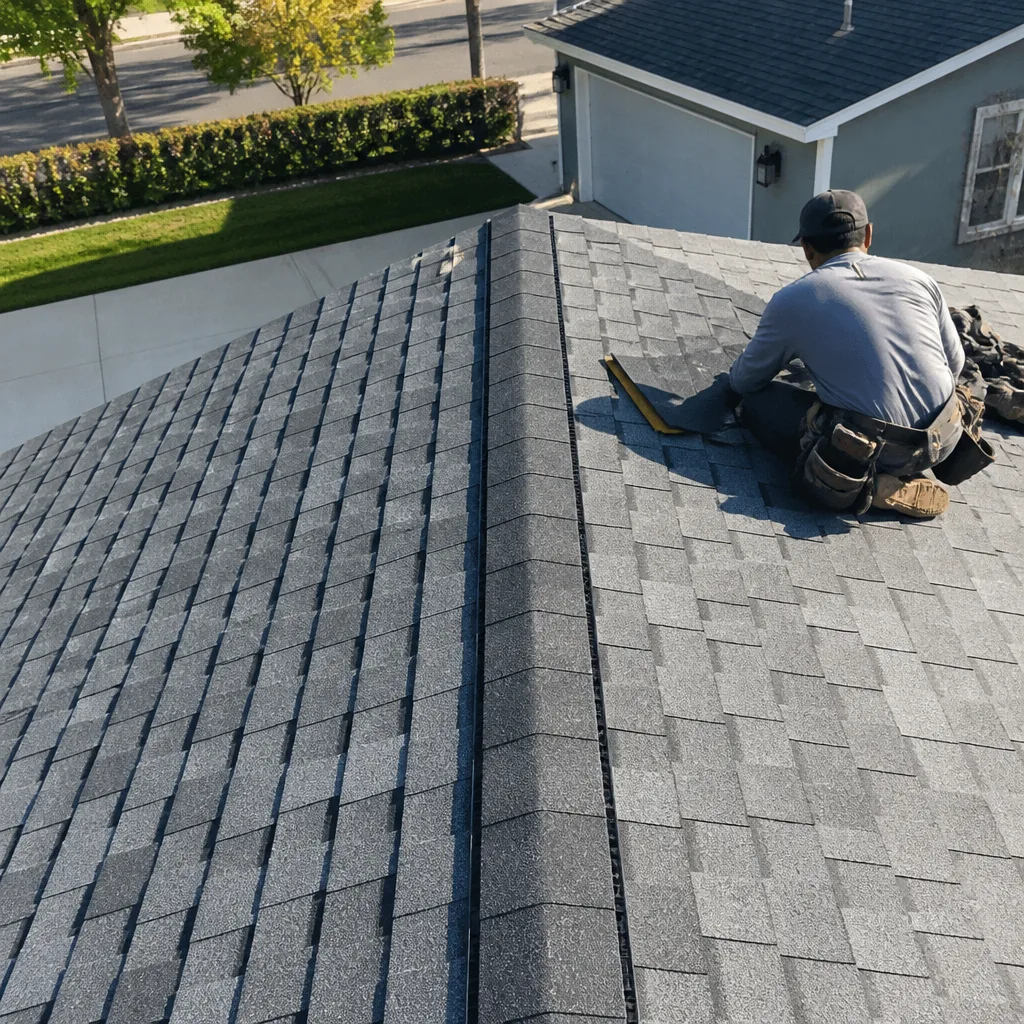 After
After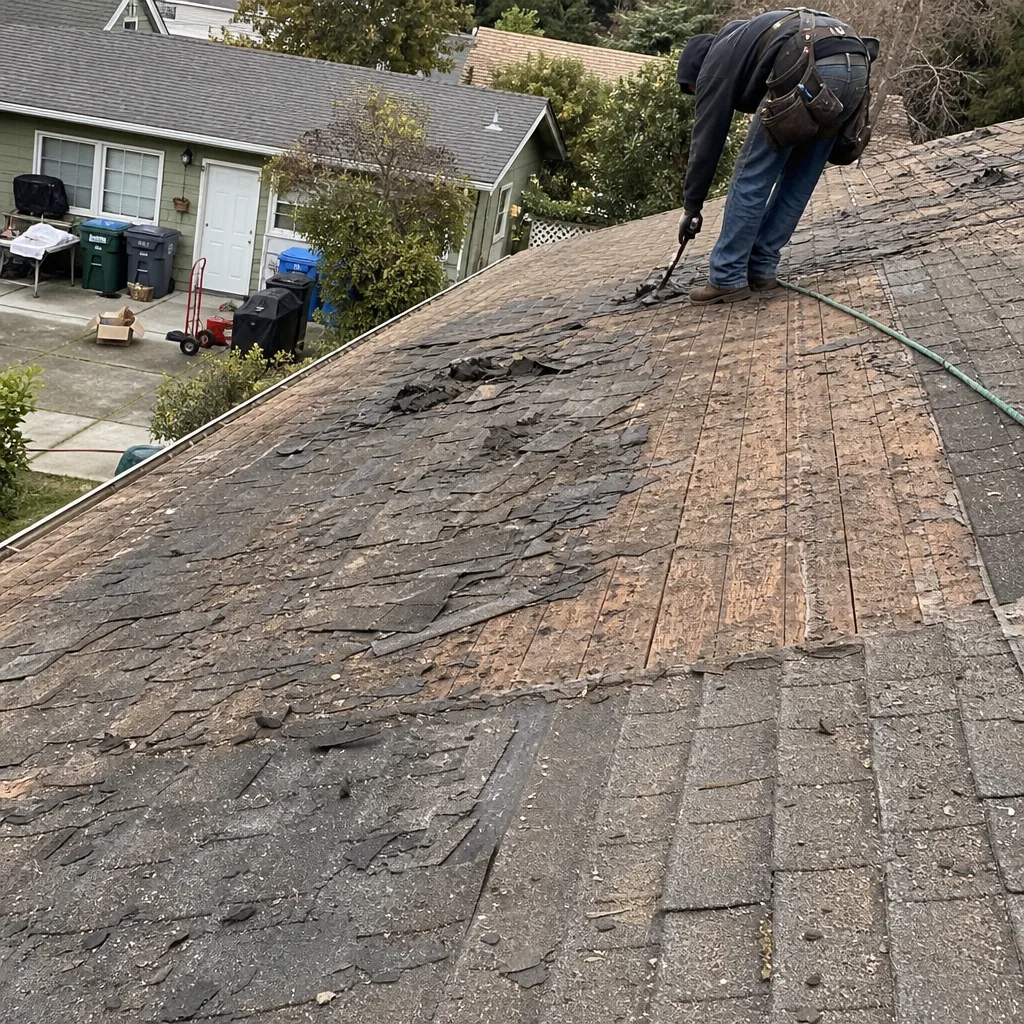 Before
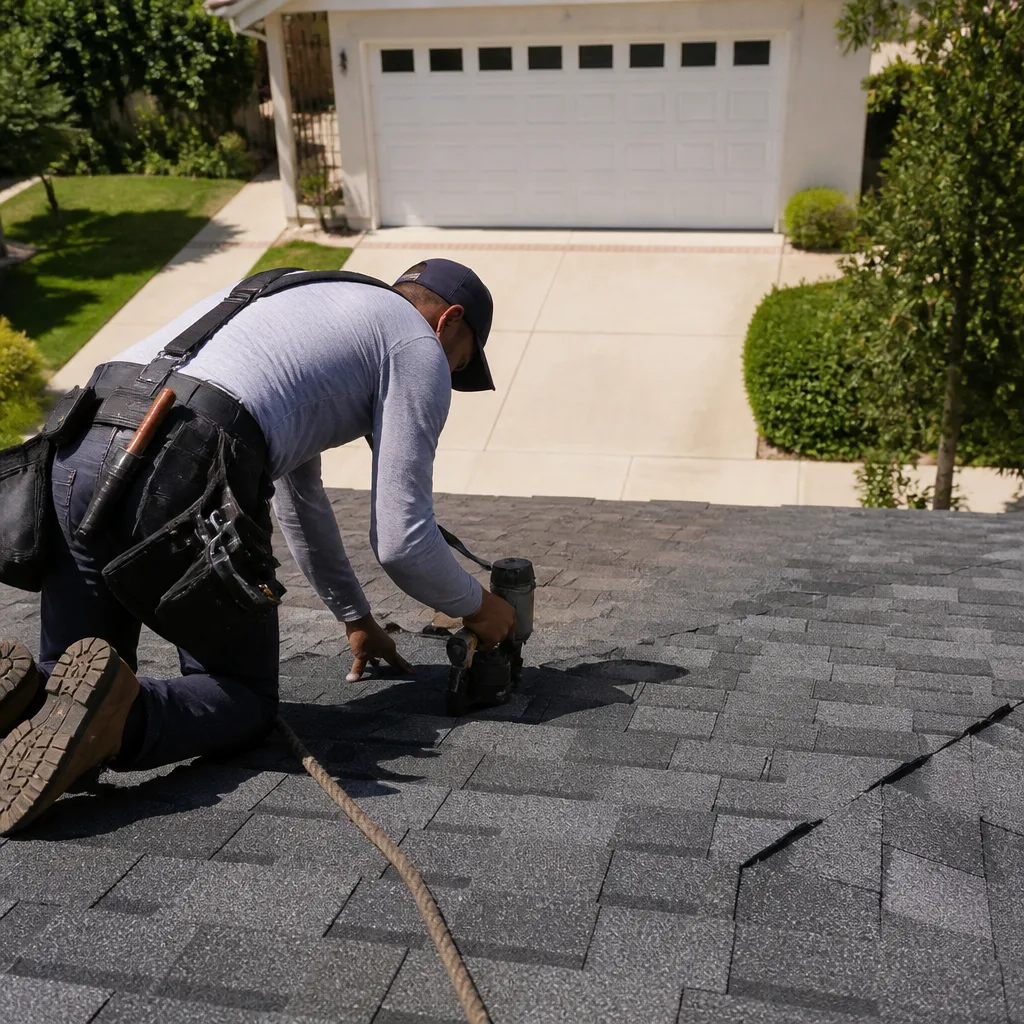 After
AfterCommon Roof Repair Problems We See in Atwater Village Homes
- Disintegrated tar paper under original clay tile. Homes built between 1920 and 1945 often had tile installed over skip sheathing with little more than tar paper as the water barrier. After 80 to 100 years of heat cycles, that paper turns to dust, and the only thing standing between your ceiling and a rainstorm is gravity and good luck.
- Low-pitch valley leaks. Atwater Village’s Spanish Colonial roofs have shallow slopes that move water slowly. Valleys, where two roof planes meet, collect debris and water. If the flashing there wasn’t custom-fabricated or has corroded over decades, it leaks. This is the most common leak source we trace.
- Failed vent boots and pipe collar flashing. The rubber boots sealing plumbing vents degrade under intense UV exposure, which Atwater Village gets in spades from June through October. Once the rubber cracks, rain follows straight down the vent pipe. This is a $350 to $600 fix when caught early, and a ceiling replacement if ignored.
- Quick patches over rotted skip sheathing. We regularly find hire-a-handyman patches where someone nailed new underlayment over rotted decking, reset the tiles, and called it done. The rot keeps spreading underneath, hidden, until the next heavy rain collapses the patch. It’s not a repair. It’s a delay.
Pricing for Roof Repair in Atwater Village, CA
Here’s what you can expect to pay in Atwater Village right now. Shingle replacement runs $350 to $750 depending on the number of shingles and whether we’re matching a discontinued color. Vent boot replacement: $300 to $500. Flashing repair at a chimney or skylight: $500 to $1,100. Valley repair on a low-pitch clay tile roof: $1,200 to $2,800. Flat roof patches: $450 to $950. Full decking replacement under a section of tile: $1,800 to $4,500 depending on square footage and whether we need salvage-matched tile.
What moves the price is what we find underneath. You won’t know if your skip sheathing is rotted until we open the area. That’s why we give you a written scope of work before we start, and if we find something once we’re in, we send you photos and a written change order. The price on the page is the price on the invoice unless you approve more. Call (626) 389-1956 for a free roof estimate in Atwater Village, and we’ll give you real numbers, in writing, before anyone climbs a ladder.
We Also Serve Cities Near Atwater Village
While this page focuses on Roof Repair in Atwater Village, our crews also serve Pasadena, El Monte, Pico Rivera, and Arcadia with the same written-price guarantee and 365-Day Done Right Promise. If you’re a homeowner in one of these nearby cities and you’re dealing with a leak or roofing emergency, the process is identical: call, get a written price, and know exactly what’s happening on your roof before we start.
Serving Atwater Village, CA - Our Local Coverage Area
We’re based in the Atwater Village area and know this community well. Use the map below to see our service coverage - if you’re nearby, we can almost certainly help.
FAQs About Roof Repair in Atwater Village
The tiles aren’t the waterproof layer. On homes built before 1950, the tiles were installed over skip sheathing and tar paper, and that tar paper has a lifespan of about 20 to 30 years. After 80 years, it’s gone. So the tiles can look perfect from the street while the underlayment beneath them has disintegrated, and water gets through the gaps between tiles straight onto your ceiling. The fix is removing the tile in the affected area, replacing the underlayment with a modern water barrier, and reinstalling the tiles. Call (626) 389-1956 and we’ll trace the actual leak path, not just the stain.
Yes, if your roof still has skip sheathing, any repair that exposes it will trigger a decking upgrade under current code. Atwater Village’s building code, like LA County’s, no longer allows skip sheathing on re-roofed sections. Once we open the roof and find it, we’re required to replace the affected area with solid decking like OSB before laying new underlayment. We’ll tell you this up front, price it in writing before we start, and handle the permit and inspection so the repair is legal and insurable. A roofer who doesn’t mention this is either inexperienced with old Atwater Village homes or planning to do unpermitted work.
We inspect first, then we write allowances into the contract for known unknowns: rotted decking, failed flashing, electrical plumbing penetrations that need new collars. If we open the roof and find something beyond the written scope, we stop work, send you photos by text, and give you a written change order with a price. You approve it before we proceed. There’s no surprise invoice. The permit process runs in parallel, and we schedule the inspection when the decking and underlayment are done. This is standard procedure for us on Atwater Village’s older homes.
Skip sheathing is the decking method used on most Atwater Village homes built between 1920 and 1945: horizontal boards spaced several inches apart instead of a solid plywood or OSB surface. It allowed the underside of clay tile or wood shake to breathe. The problem is that modern underlayment requires a solid surface to seal properly, and skip sheathing gaps let water migrate horizontally before it drips. That’s why leaks on these roofs are notoriously hard to trace, and why any repair that exposes skip sheathing requires replacing it with solid decking under current code. If your roofer doesn’t know what skip sheathing is, don’t let them on your roof.
Yes. We run emergency response into Atwater Village during rain events, and a live person answers the phone at any hour when you call (626) 389-1956. For clay tile roofs, our techs use padded ladders and roof boards so we don’t crack the saturated tile while we tarp and seal the active leak. The emergency stop typically runs $450 to $800, and we document everything with photos for your insurance claim. The permanent repair is priced separately, in writing, and we schedule it once the roof is dry and safe to work on.
If you’re in Atwater Village and you’re seeing stains, hearing drips, or just wondering what’s under those tiles, call (626) 389-1956. Dylan Pace and the Crestview Roofing team will give you a written price, a real arrival time, and photo proof of the work before and after. Every repair is covered by our 365-Day Done Right Promise, in writing, included with every job. That’s the way roofing should have always worked in this neighborhood.
Written by Dylan Pace, Owner at Crestview Roofing Co Pasadena, serving Atwater Village since 2000.