
Last updated October 17, 2026
 Metal roofing
 Tile roofing
 GAF
GAF Owens Corning
 Flat & low-slope
Free roof inspection with deck photos before we talk money - GAF and Owens Corning certified installation
Roofing Permits, Codes & Inspections in CA: What You Need to Know
In California, a roof replacement that required a permit but didn’t get one can be flagged during escrow, and the seller, not the contractor who skipped the permit, is usually the one paying to fix it. We’ve watched this exact situation delay closings in Pasadena by weeks, sometimes months. This guide explains when a permit is legally required, what inspectors actually check, how Title 24 energy rules change your material choices, and how to verify the roof over your head won’t become a liability when you sell. For more guides & resources, see our blog, starting with this primer we wish every homeowner read before signing a roofing contract.
Styles & brands we work with
Quick Answer
In California, you need a roofing permit when you replace more than 50% of the roof’s surface area in any 12-month period, and that threshold applies in Pasadena and most jurisdictions statewide. A permitted reroof requires a building inspection that verifies deck condition, underlayment, flashing, and ventilation, plus compliance with Title 24 cool-roof standards. Skipping the permit doesn’t just risk a fine; it can surface during a title search, an insurance claim, or a sale, and the homeowner, not the contractor, carries the financial burden of fixing it. Our Roofing Warning Signs: A Pasadena Homeowner’s Reference Guide covers other red flags to watch for.
Table of Contents
- When a Roofing Permit Is Required in California
- What Pasadena’s Building Department Actually Inspects
- Title 24 Energy Code and Cool-Roof Requirements
- What Happens When a Roof Is Replaced Without a Permit
- How to Pull Your Own Pasadena Permit Records
- How to Verify a Contractor Actually Pulled Permits on Your Job
- What to Do If You Discover Unpermitted Roofing Before Listing Your Home
- Common Mistakes to Avoid
- When to Call a Professional
- Frequently Asked Questions
- The Bottom Line
When a Roofing Permit Is Required in California
California Building Code Section 105.1 makes a permit mandatory when you replace more than 50% of a roof’s surface area within any 12-month period. That’s a harder line than most homeowners think. It’s not about how much you spend or whether the roof leaks. It’s a square-footage calculation. If 51% of your roof surface gets new material, you need a permit, an inspection, and documentation that the job meets current code. Pasadena enforces this same threshold through its own building and safety division, and inspectors there are specific about how it’s measured.
The 50% calculation works like this: total the square footage of the roof planes being recovered, including eaves and overhangs, and divide by the total roof surface area of the structure. If the result exceeds 0.50, you’re over the line. Repairs, meaning patching a leak, replacing a few torn shingles, or resealing a single flashing point, typically fall well below that number and don’t require a permit. But once you’re re-covering a full slope, or two slopes, the math adds up fast. In the dozens of reroofs we’ve done in Pasadena, almost every full replacement crosses the threshold, which is why we treat permitting as standard practice rather than an add-on.
Strong storms and re-roofs can complicate this. If a homeowner replaces the north slope in March and the south slope in October, the two jobs together count toward the 50% total within the same 12-month window. Homeowners who do it in stages to avoid permitting often end up violating the code without realizing it. The permit isn’t just a fee; it creates a paper trail that proves the work was legally completed, inspected, and eligible for insurance coverage.
Exceptions and Partial-Replacement Gray Areas
Some repairs genuinely don’t need a permit. Patching a small area, replacing individual shingles, or resealing flashing around a vent are exempt in Pasadena when the work is limited to maintenance. The gray area comes when multiple small repairs accumulate. A homeowner who patches five different areas after a wet winter may cross 50% of the surface without ever calling it a reroof. A good rule of thumb from Crestview Roofing Co Pasadena home: if you’re replacing material on more than half of any single plane, call the building department and ask. A ten-minute question beats a flagged escrow.
What Pasadena’s Building Department Actually Inspects
Pasadena’s inspectors are looking at four things when they walk a permitted reroof: deck condition, underlayment, flashing, and ventilation. Each one matters, but two of them, flashing and ventilation, are details homeowners rarely see because they’re hidden once the roof is finished. That’s the critical distinction. The city is checking for code minimums, not craftsmanship. Great roofing is often invisible, and the inspection won’t catch every shortcut. So here’s exactly what the inspector examines and where the responsibility for quality falls on you and the contractor you choose. For year-round maintenance tips, see our Seasonal Roofing Care for Pasadena: Year-Round Homeowner’s Guide.
Deck condition. The inspector will verify the structural sheathing, usually plywood or OSB, is sound enough to receive new material. If rot or warping exists, the deck must be repaired or replaced before the new underlayment goes down. This is a pass-or-fail item in Pasadena and most of Los Angeles County.
Underlayment. Once the deck is exposed, the inspector checks that the underlayment, the water-resistant barrier beneath the shingles, meets the current standard for the material being installed. In fire-prone Southern California, Pasadena requires underlayment that also meets fire-resistance standards under the wildland-urban interface code in many hillside areas.
Flashing. The inspector verifies flashing exists at roof penetrations, sidewalls, and valleys. Flashing, the metal strips that seal joints around chimneys, vents, and wherever two roof planes meet, is where most leaks actually start. The inspection confirms it’s present and properly lapped, but it won’t prove the flashing was installed with the precision that prevents a slow drip five years later.
Ventilation. Pasadena requires adequate attic ventilation calculated as a ratio of net free vent area to attic floor area. The inspector checks intake and exhaust balance. Improper ventilation voids many shingle warranties, including Owens Corning and GAF warranties, and shortens roof life in Pasadena’s hot summers.
What the inspector does not check: cosmetic alignment, nail pattern uniformity, exact shingle manufacturer installation instructions, or long-term workmanship quality. Those are on the contractor. That’s why we document every stage of a Roof Replacement in Pasadena with before-and-after photos, written notes, and a final walkthrough. The city proves code compliance; the contractor has to prove the job was done well.
Title 24 Energy Code and Cool-Roof Requirements
California’s Title 24, Part 6 energy code applies to reroofing, not just new construction, and it changes what materials you can legally install. For most residential reroofs in Pasadena, the roof must meet a minimum aged solar reflectance and thermal emittance standard, known as a cool-roof requirement, unless the building is exempt. The goal is reducing heat absorption in a city where summer rooftop temperatures routinely exceed 140 degrees.
Manufacturers like Owens Corning, IKO, and Atlas publish cool-roof ratings for their shingle lines. A shingle qualifies if it meets the California Energy Commission’s minimum reflectance values, and most major manufacturers now have color-specific ratings. Darker colors, the ones many Pasadena homeowners choose for a classic Spanish or Craftsman look, often require an Energy Commission-approved performance method or a higher-rated product in the same color family. The inspector can ask for documentation proving the installed product meets the requirement.
Here’s the practical impact. When we price a Roof Installation in Pasadena, material selection isn’t just about color. It’s about what passes Title 24 and what the inspector will accept. A contractor who quotes a roof without asking about Title 24 compliance is either inexperienced or planning to skip the permit, and neither is a situation you want. The documentation, usually a manufacturer’s cool-roof data sheet, gets submitted with the permit application and verified at inspection.
What Happens When a Roof Is Replaced Without a Permit
The curb looks fine. The shingles are new. The gutters are straight. But an unpermitted reroof creates three separate problems, and they surface on different timelines. Understanding each one explains why saving $300 to $600 on permit fees is never the bargain it appears to be.
During Escrow: The Title and Inspection Problem
A standard title search won’t flag unpermitted work. Titles reflect recorded liens, encumbrances, and ownership history, not building department records. But a buyer’s home inspector, or a pre-listing seller inspection, often raises the question: “Roof appears recently replaced. Verify permits.” The buyer’s lender may then require a permit record before funding. In Pasadena, sellers have had to open retroactive permits, pay double fees, expose the roof for inspection, and in some cases remove sections of finished roofing to prove what’s underneath. That’s the opposite of a fast close.
Insurance Claims: Coverage Denial and Reservation of Rights
An insurer can deny a roof claim on the grounds that unauthorized work contributed to the damage. If a windstorm rips shingles off and the insurer discovers the roof was replaced without a permit, the carrier may argue the roof wasn’t legally installed at all. Whether or not that argument holds, it delays the claim. We’ve seen homeowners spend months in a back-and-forth that never would have happened with a permit on file. Pasadena sits in a wildland-urban interface zone where insurers are already aggressive about roof conditions, so the margin for error is zero.
Resale Value and Buyer Leverage
A buyer who discovers unpermitted roofing has leverage, and they use it. They’ll ask for a price reduction, a closing credit, or a retroactive permit at the seller’s expense. The asking price on a Pasadena home with unpermitted work almost always drops by more than the permit would have cost in the first place. The seller is the one holding the bag, not the roofing contractor who said, “You don’t really need a permit for this.”
How to Pull Your Own Pasadena Permit Records
You can check whether permits exist for your Pasadena property without hiring anyone. The city’s online permit portal, accessible through the Pasadena Citizen Service Center, lets homeowners search by address. You’ll need the street number, street name, and sometimes the assessor’s parcel number, which appears on your property tax bill. The system shows issued permits, inspection dates, and final inspection status going back many years.
- Visit the Pasadena Citizen Service Center online and navigate to the Building & Safety permit search tool.
- Enter your street address exactly as it appears on your tax bill, without unit numbers or directional prefixes.
- Review the permit list for any entries classified as reroof, roof repair, or building permit with a roofing scope.
- Check the status. “Finaled” means an inspection was completed and the permit is closed. “Issued” without a final inspection means the work may not have been inspected.
- If no record appears and you know the roof was replaced, call the Building & Safety division at Pasadena City Hall. Some older records exist only on paper.
Do this before you list your home. Discovering an unpermitted roof during escrow means you’re now fixing the problem under a buyer’s deadline. Discovering it six months before listing means you can address it on your own schedule. In our experience at Roof Repair in Pasadena, the homeowners who pull records early save the most money, because they have time to correct issues at market rates instead of rush-job rates.
How to Verify a Contractor Actually Pulled Permits on Your Job
A contractor who says “permits are handled” hasn’t told you anything. The permit is either in your name, in their name, or it doesn’t exist. Verifying this takes five minutes, and it’s the single strongest protection a homeowner has against unpermitted work.
- Ask the contractor for the permit number before any work begins. No permit number means no permit has been issued. This is black and white.
- Pull up the permit in the Pasadena Citizen Service Center portal. It should show the property address, the scope of work, and the contractor’s name if they pulled it on your behalf.
- Confirm the permit is in the correct name. If the contractor pulled it, the permit should list their name and contractor’s license. If you pulled it as the homeowner, your name appears as the permit holder.
- Match the permit scope to the contract. A permit for “roof repair” doesn’t cover a full tear-off, and a full tear-off permit doesn’t cover additional structural changes.
- Verify the inspection was scheduled and passed. After the job, the permit should show a “finaled” status. Open permits are unresolved issues.
The Relay Visibility Guarantee we operate under at Crestview Roofing means a permit number is part of the paperwork you receive before a single shingle is removed. We don’t expect you to know what to ask for; we hand it to you as part of the written quote. That’s the standard Pasadena homeowners should expect, and it’s the one we’ve been holding ourselves to since 2000.
What to Do If You Discover Unpermitted Roofing Before Listing Your Home
You’ve pulled the records. The roof was replaced in 2019. There’s no permit. Now what? The worst option is doing nothing and hoping a buyer doesn’t ask. The best option depends on how long you have before you list.
If you have 60 days or more, call Pasadena Building & Safety and ask about a retroactive permit. The process typically involves paying a permit fee, opening a permit application, and scheduling an inspection. The challenge is that the inspector needs to see what’s under the finished roof. In some cases, the contractor who did the original work can sign a declaration describing what was installed, but the city still needs physical verification at the ridge, eaves, or a select area. This often means partial tear-off and re-installation, which is why it’s expensive.
If you’re listing in 30 days, disclose the unpermitted work in writing and price the home accordingly. Some buyers will accept it with a credit. Some won’t. A lender may refuse. The disclosure protects you legally, but it will cost you in negotiation.
For homeowners in this situation, the fastest path is often a retroactive permit, because the alternative, waiting for a buyer’s inspector to flag it, means fixing the problem on someone else’s clock. It’s also worth noting that not all unpermitted work is the contractor’s fault. Some homeowners specifically ask to skip permits to save money. Either way, the homeowner owns the consequence.
Common Mistakes to Avoid
- Assuming repairs never need permits. Most small repairs don’t, but multiple small repairs in one year can combine to cross the 50% surface-area threshold. In Pasadena, hillside homes with expansive roof planes reach that threshold surprisingly fast.
- Trusting a verbal “permits are included.” If it isn’t written in the contract with a permit number, it doesn’t exist. Every legitimate contractor in Pasadena can produce the number before the job starts.
- Replacing a roof in stages to avoid the threshold. The 50% calculation covers a rolling 12-month period. Two half-roof replacements in eight months is a single permitted project in the eyes of the building department.
- Choosing shingle color without checking Title 24. That dark architectural shingle in a color the manufacturer hasn’t rated can fail a Pasadena inspection. Verify the cool-roof data sheet before you buy the material.
- Ignoring the ventilation inspection item. New shingles on an attic with no balanced ventilation means an inspection failure and a premature roof replacement. The cheap fix becomes a structural problem later.
- Waiting until escrow to check permits. By then, the buyer’s lender controls your timeline. Pull your records the day you decide to list, not the day you accept an offer.
- Hiring the lowest bidder without asking about permits. Contractors who skip permits have lower overhead because they’re skipping a legally required step, and you’re absorbing the risk in exchange for their discount.
When to Call a Professional
If your roof exceeds 50% of its surface area in wear, if you’re buying or selling a Pasadena home with a questionable roof history, or if an insurance adjuster has asked about permits, you need a contractor who treats documentation as part of the job. A roofing professional should walk you through the permit process, provide the permit number before work starts, and verify inspection completion before taking final payment. Crestview Roofing Co Pasadena offers free estimates in Pasadena, call (626) 389-1956, and every quote includes a written permit plan, a written price, and a written guarantee before any work begins.
Frequently Asked Questions
Most residential re-roof permits in Pasadena run $300 to $600 depending on project valuation and square footage, though retroactive permits often carry penalty fees that double the original cost. Call (626) 389-1956 for a free estimate that includes an exact permit fee for your roof.
Yes, Pasadena allows homeowners to pull permits on their own residence, but you accept legal responsibility for code compliance and inspection scheduling. Most homeowners in Pasadena have their contractor pull the permit, because the contractor’s license is attached to the work and the liability sits with them, not you.
An insurer can deny or delay a claim if the damage is tied to work that never received a permit, because the carrier can argue the roof was never legally installed. Given Pasadena’s wildland-urban interface zone status, insurers scrutinize roof claims closely. A finaled permit is your strongest documentation.
Pasadena can issue a stop-work order, require you to expose the roof for inspection, and charge retroactive permit fees with penalties. The heavier cost usually arrives later, during escrow, when a buyer’s lender refuses to fund until the permit is resolved. Call (626) 389-1956 to discuss your situation before making a decision.
Yes, a re-roof that requires a permit triggers Title 24 compliance, which means the replacement material must meet California’s minimum aged solar reflectance and thermal emittance values. Products from Owens Corning, IKO, and Atlas publish these ratings by shingle color, and your contractor submits the data sheet with the permit application.
A standard re-roof inspection in Pasadena typically takes 20 to 45 minutes on site, assuming the roof was installed to the submitted plan. Scheduling can add a few days depending on inspector availability. The permit isn’t closed until the inspection passes and the status changes to “finaled.”
The Bottom Line
A roof that looks fine from the curb can still be a legal, financial, and insurance problem if the permit was skipped. California’s 50% threshold is lower than most homeowners realize, Pasadena’s inspectors check for code minimums but not craftsmanship, and Title 24 changes what you can legally install. The homeowner, not the contractor, pays for unpermitted work in the end, and the bill is almost always larger than the permit would have been. Pull your records, verify the permit number, and choose a contractor who puts it in writing. For a deeper dive, read The Complete Guide to Roofing in Pasadena. That’s how a roof stays an asset instead of becoming a liability.
Written by Dylan Pace, Owner at Crestview Roofing Co Pasadena, serving Pasadena since 2000.
See the difference
 Before
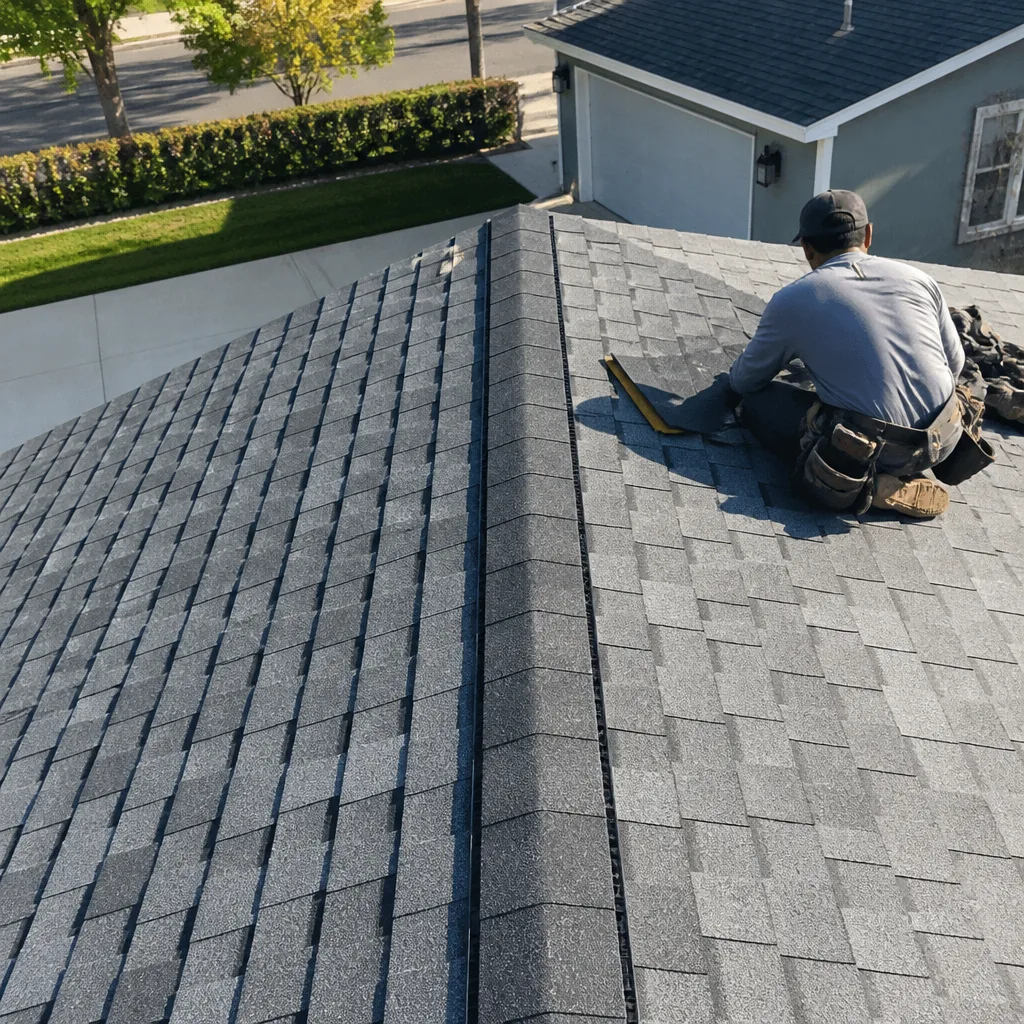
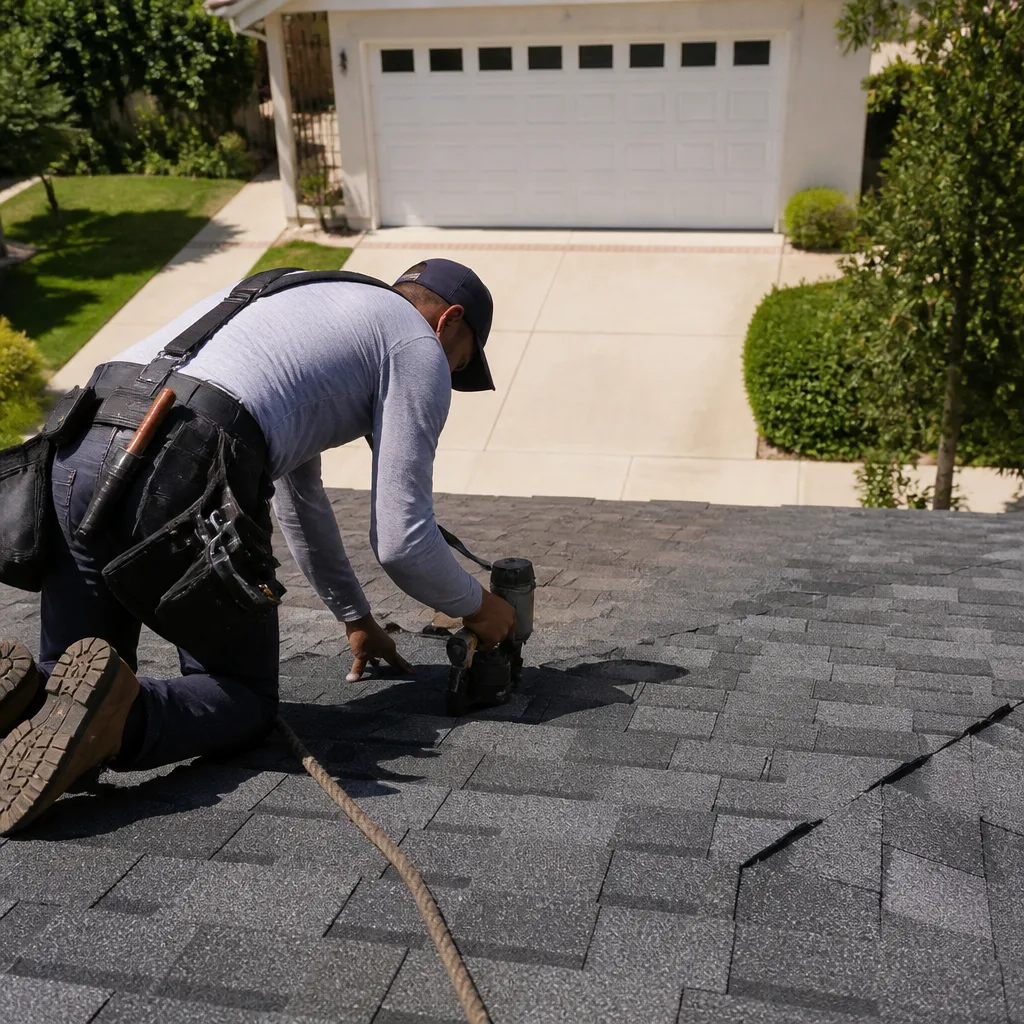
 After
After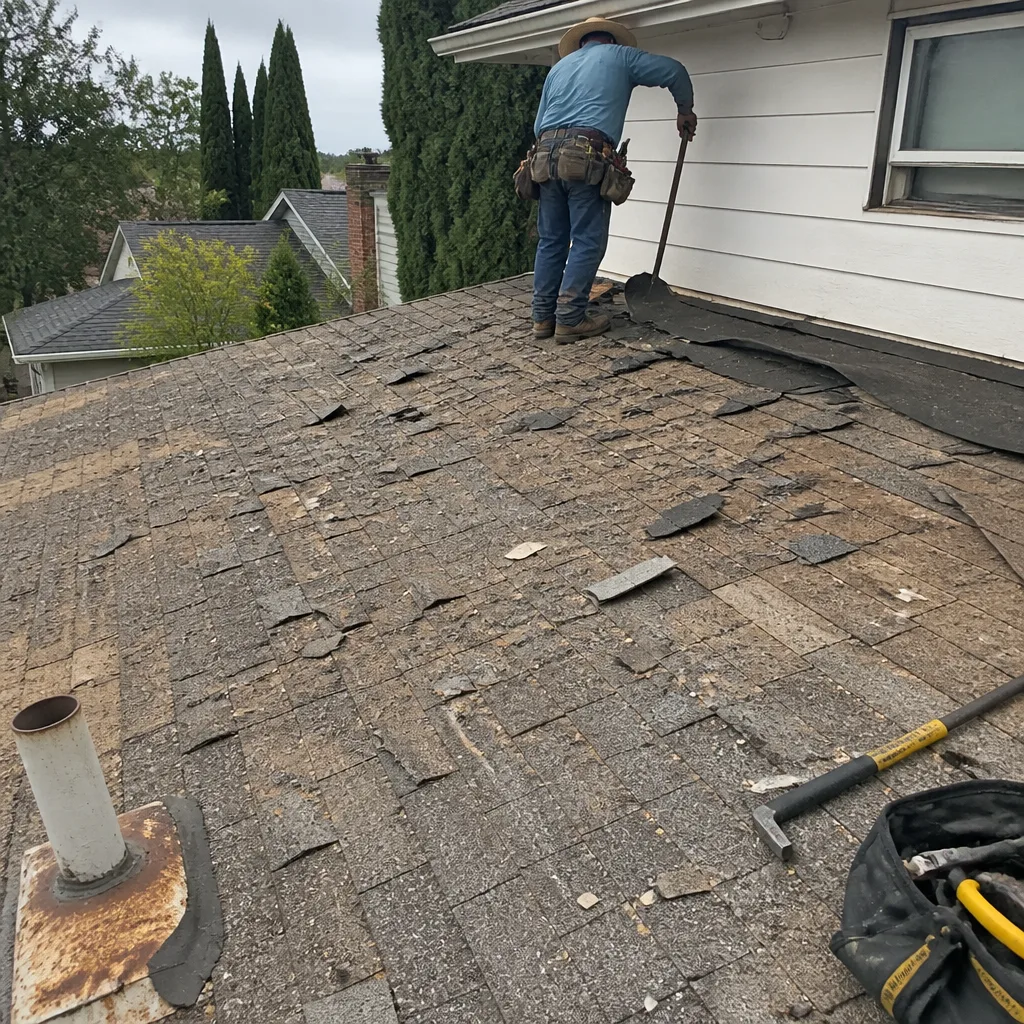 Before
 After
After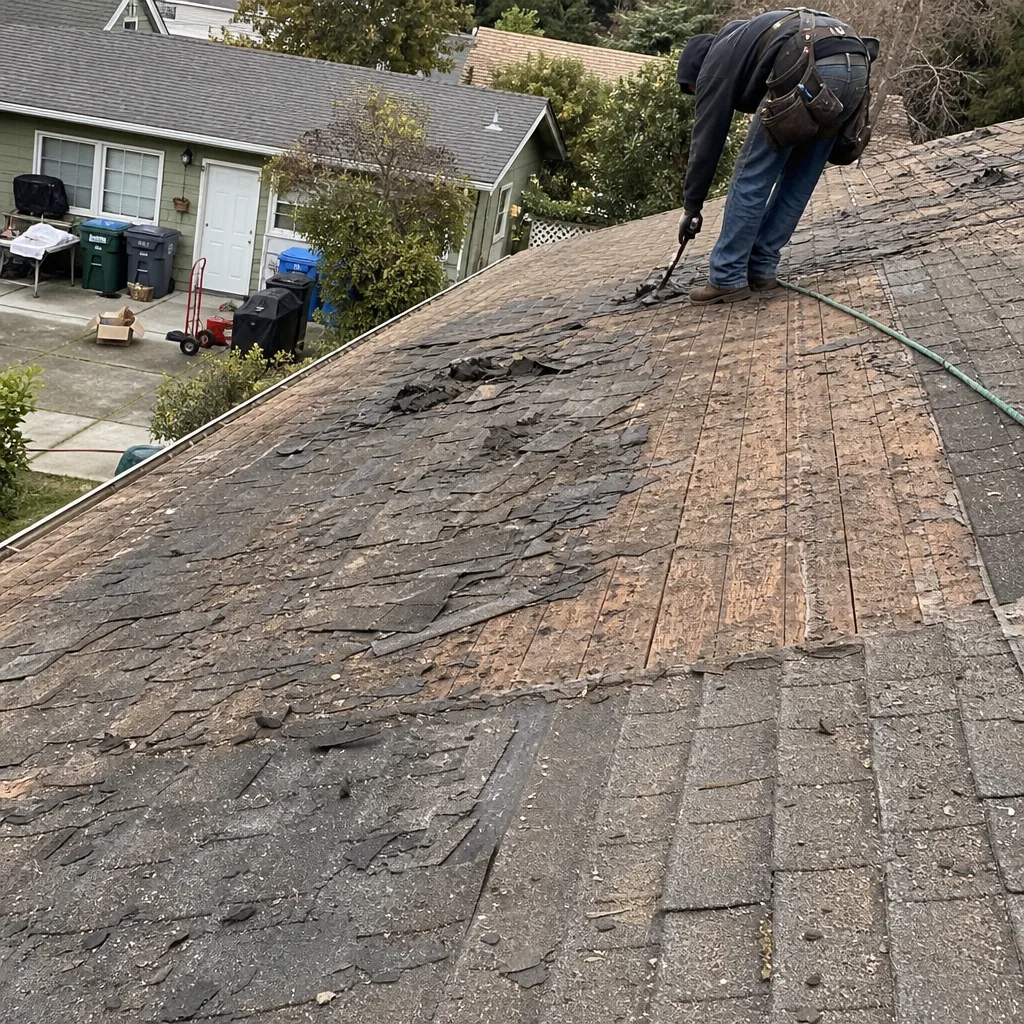 Before
 After
After