
Last updated October 17, 2026
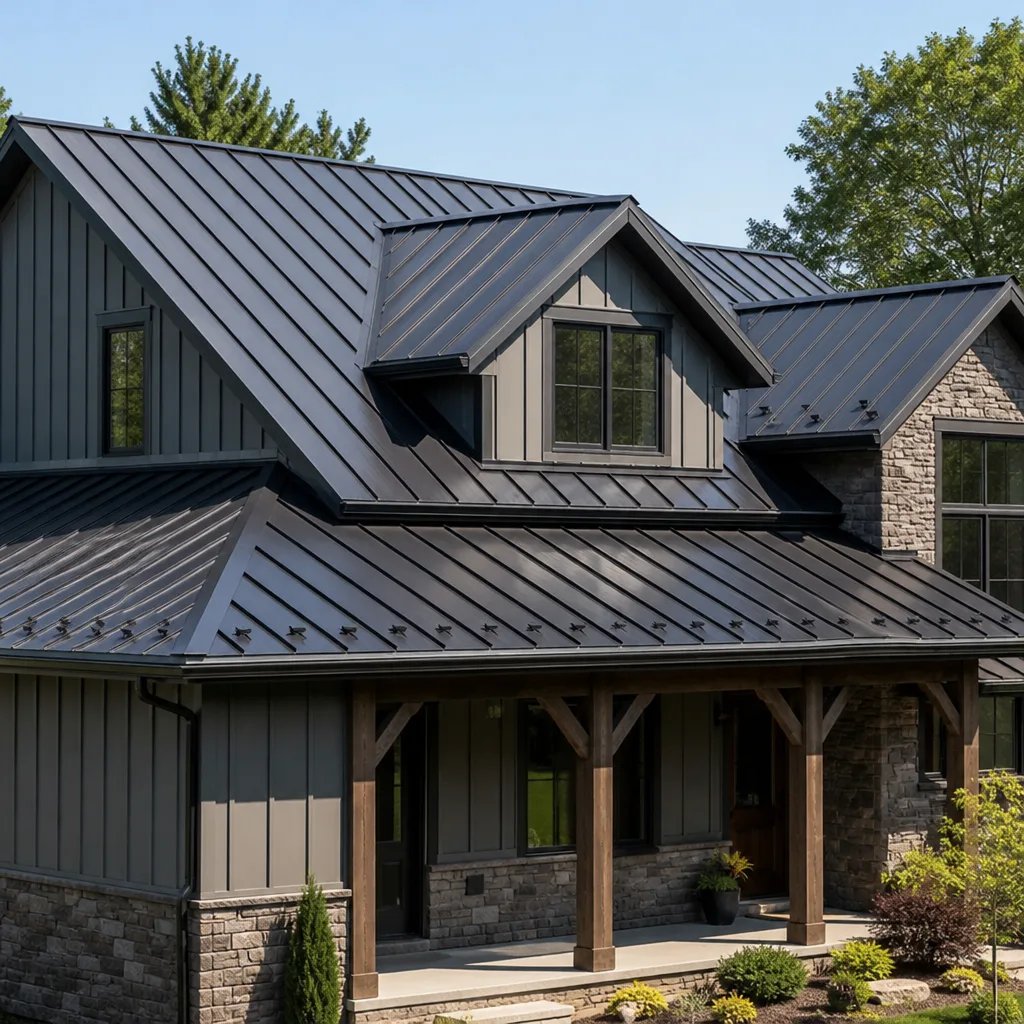 Metal roofing
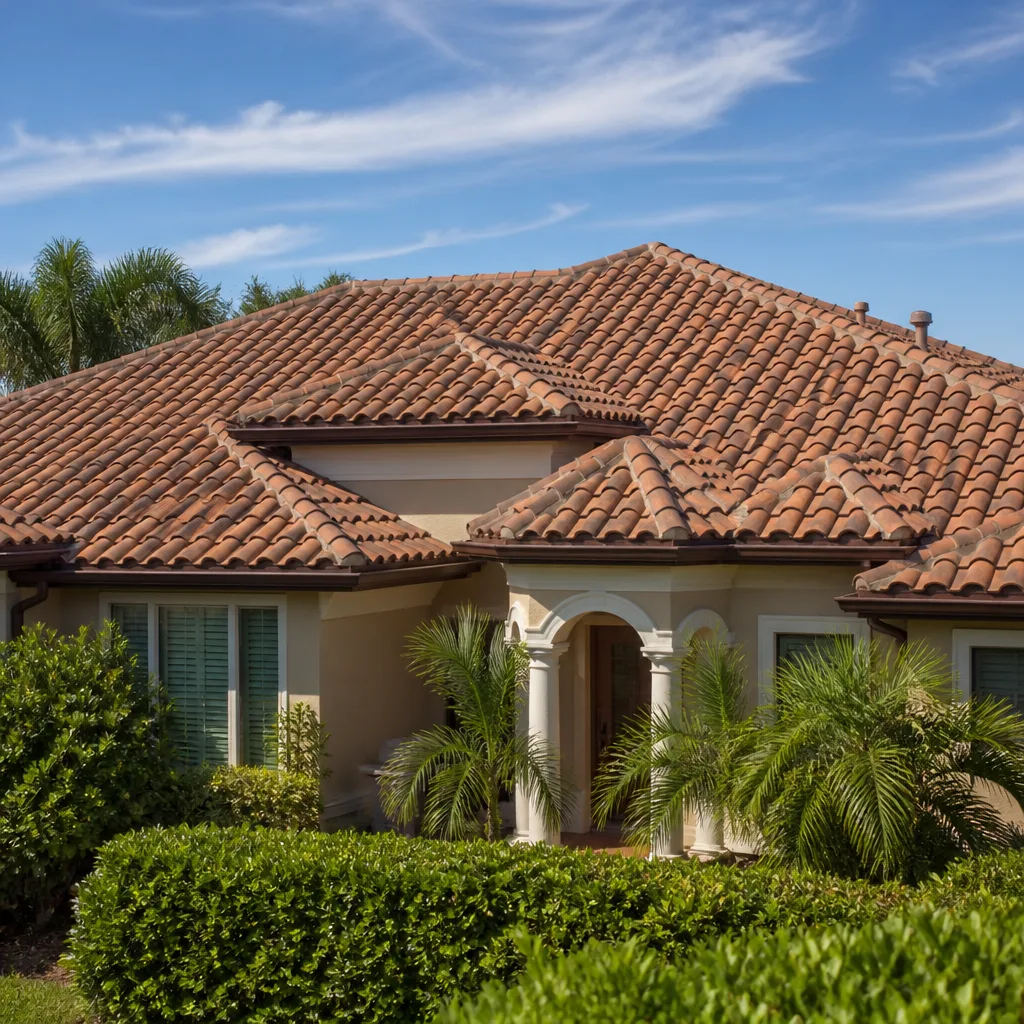 Tile roofing
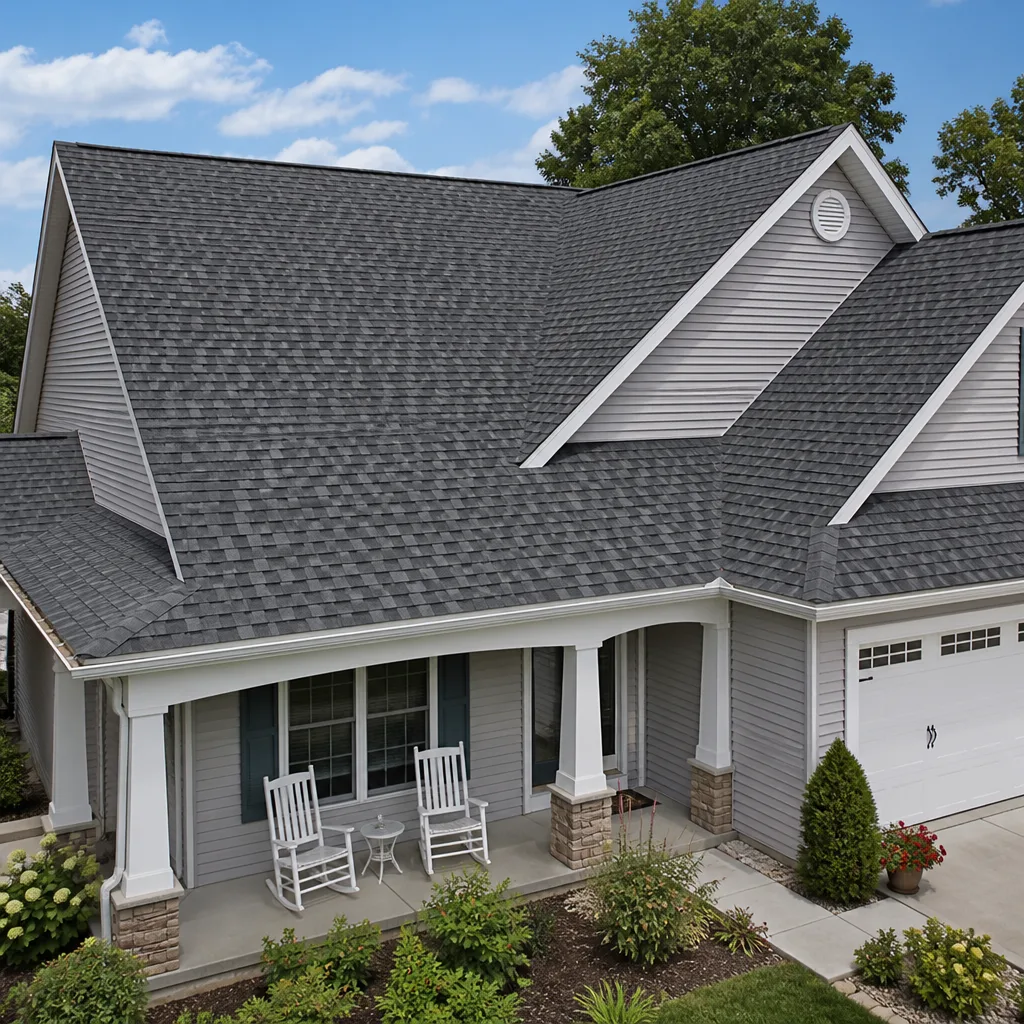 GAF
GAF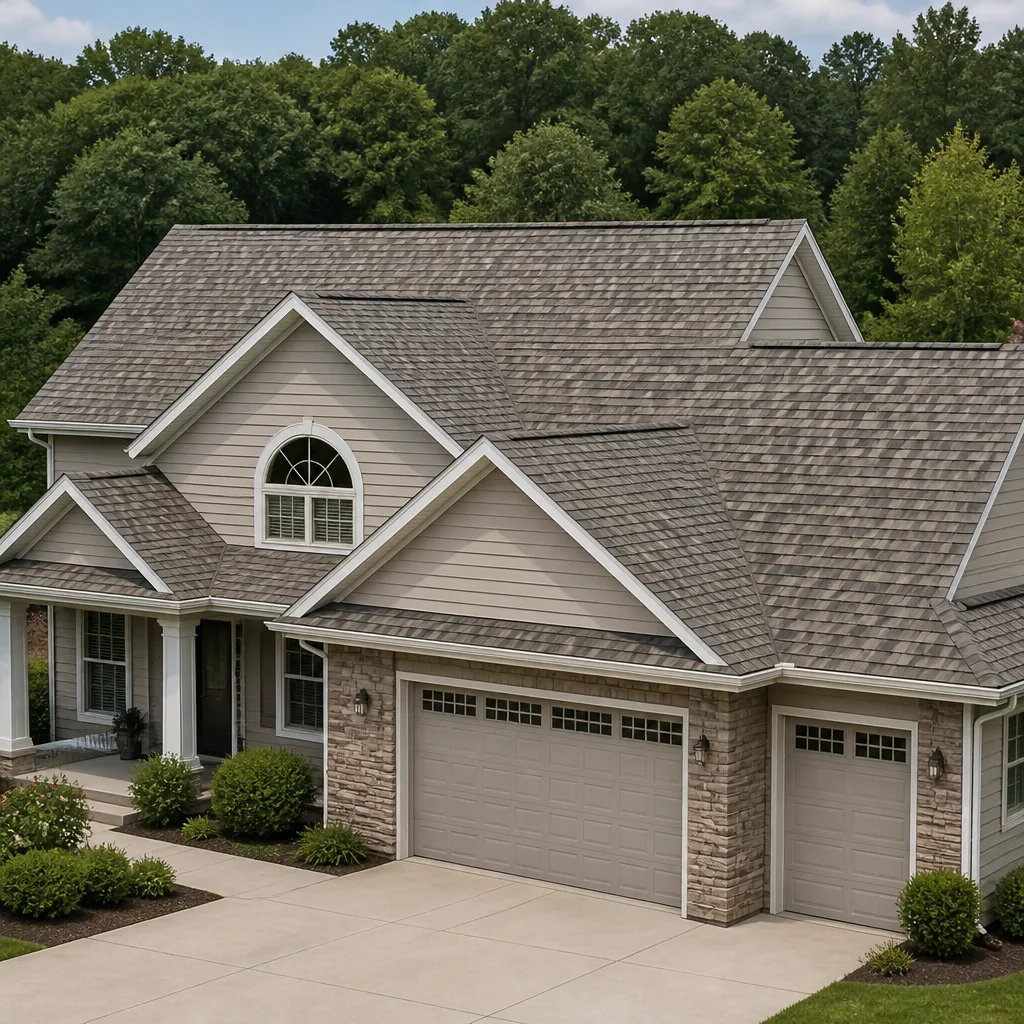 Owens Corning
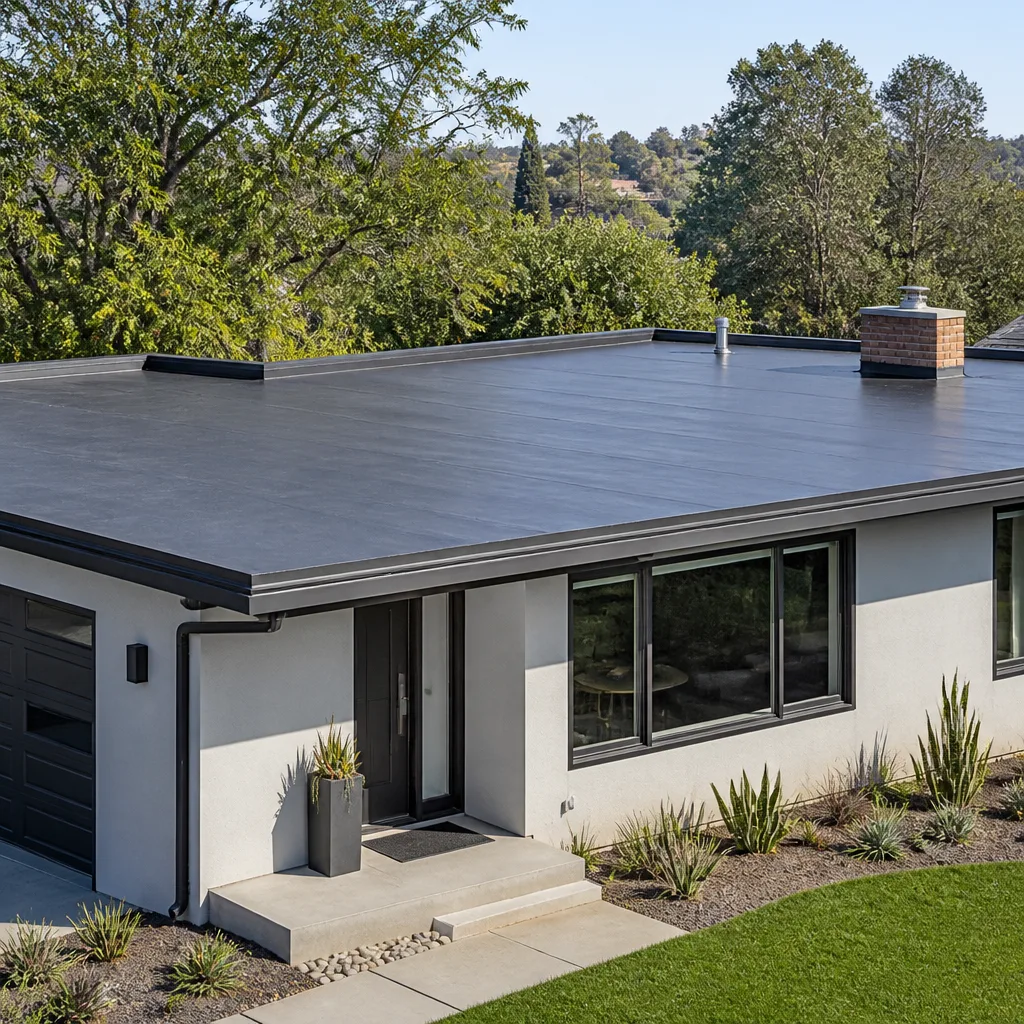 Flat & low-slope
Free roof inspection with deck photos before we talk money - GAF and Owens Corning certified installation
Seasonal Roofing Care for Pasadena: Year-Round Homeowner’s Guide
Pasadena’s “dry season” isn’t a roofing rest period. June through September’s 95°F+ heat cycles cause asphalt shingles to expand and contract enough to loosen flashing fasteners, a failure mode that only shows up when the rains return in December. This guide walks through the four distinct roof-stress periods Pasadena homeowners face, what to check during each, and how to build a documented roof history that pays off during insurance claims or resale. For more, see more guides & resources.
Quick Answer
Seasonal roof care in Pasadena means four distinct checkpoints: securing loose flashing, ridge caps, and lifted tiles before Santa Ana winds in October; watching for pooling water and drainage shifts on low-slope roofs during the December – March rainy season; checking for granule loss, efflorescence, and moss startup after rains end in April; and verifying attic ventilation and deck temperatures before the June – September heat cycle accelerates shingle deterioration. Our The Complete Guide to Roofing in Pasadena covers each in depth.
Styles & brands we work with
Table of Contents
- Fall (Oct – Nov): Pre-Santa Ana Preparation
- Winter (Dec – Mar): Managing the Rainy Season
- Spring (Apr – May): Post-Rain Damage Assessment
- Summer (Jun – Sep): Heat Management & Attic Ventilation
- How to Document Your Roof’s History
- Common Mistakes to Avoid
- When to Call a Professional
- Frequently Asked Questions
Fall (Oct – Nov): Pre-Santa Ana Preparation
Santa Ana winds in Pasadena regularly exceed 60 mph, and they don’t announce themselves politely. They arrive fast, usually after a stretch of dry weather, and they exploit every loose edge on your roof. The prep window is narrow: October through early November, before the first big wind event hits the foothills.
Three things deserve your attention before the winds arrive:
- Ridge caps. These are the shingles or tiles running along the peak of your roof where two slopes meet. They take the brunt of wind uplift. A lifted ridge cap is often invisible from the ground. You need eyes on the roof line from a ladder or a set of binoculars from the street.
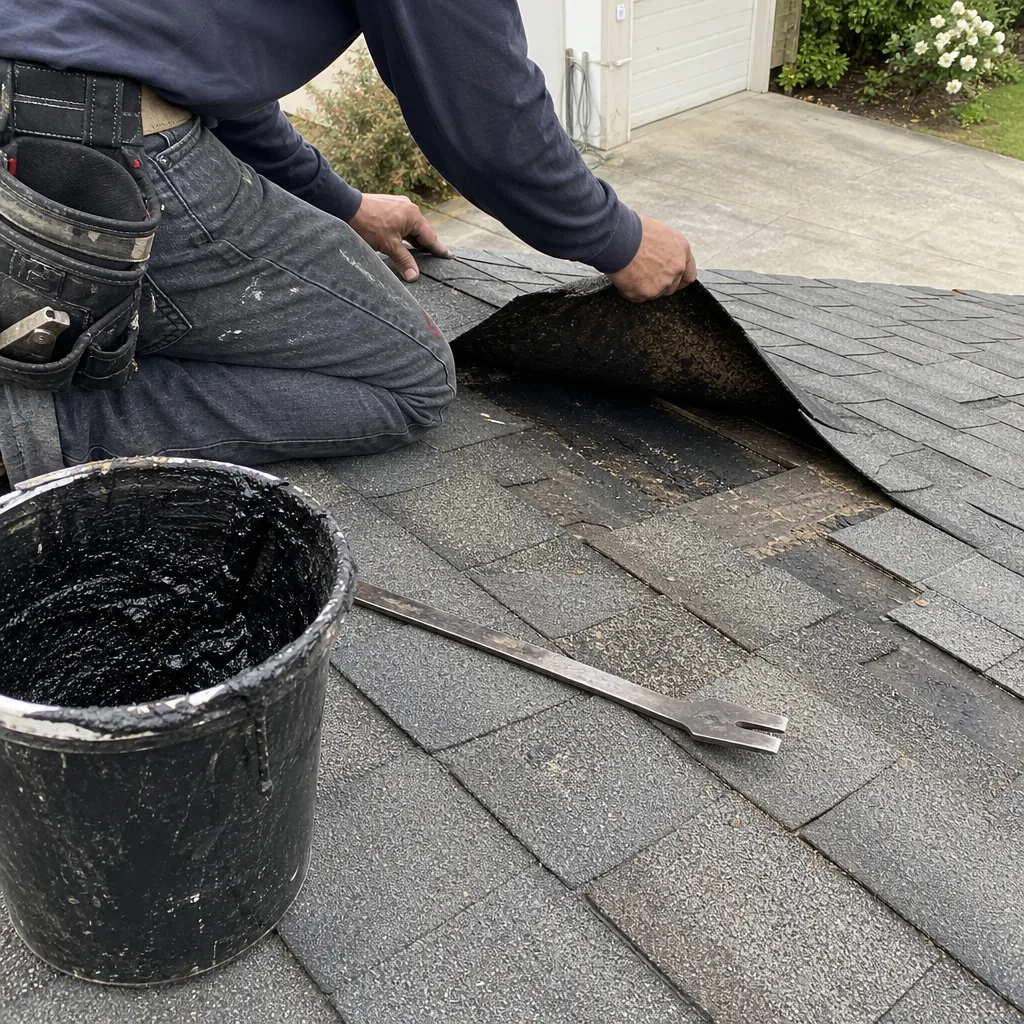
- Flashing edges. Flashing, the metal strips that seal joints around chimneys and vents, loosens over time as the metal expands and contracts. A lifted flashing edge in October becomes a water entry point by January.
- Lifted tiles or shingles. On Pasadena’s older Spanish and Mediterranean-style homes, a single cracked or shifted clay tile can catch wind like a sail and tear away, taking neighbors with it.
What to actually do: walk the perimeter and look for any shingle, tile, or metal edge that appears raised, curled, or out of alignment. If you can see it from the ground, it’s already loose enough to matter. Secure anything that moves.
One detail most guides miss: Pasadena’s urban forest means wind-driven debris. Eucalyptus branches, palm fronds, and oak leaves get blasted onto roofs during Santa Ana events and can clog scuppers and drains on flat or low-slope roofs within a single afternoon. Trim overhanging branches before the winds arrive, not after.
We’ve seen the same pattern repeat in neighborhoods all over Pasadena, from Hastings Ranch up through the San Rafael Hills: a homeowner skips the fall check, one Santa Ana event lifts a flashing edge, and the February rains turn a $300 repair into a $4,000 ceiling and insulation job.
For a deeper look at what Roof Repair in Pasadena involves after wind damage, see our dedicated page.
Winter (Dec – Mar): Managing the Rainy Season
Pasadena compresses most of its annual rainfall into a three-to-four-month window. The city averages roughly 20 inches of rain per year, and the majority of it falls between December and March. That’s the whole game: your roof has to handle several months of near-constant saturation, often delivered in short, intense bursts.
For flat or low-slope roofs, which are common on Pasadena’s mid-century and contemporary homes, the critical variable is drainage slope. A flat roof isn’t actually flat, it should have a subtle pitch directing water toward drains or scuppers. When the slope shifts, either from structural settling or accumulated debris weight, water pools. Pooling water is the enemy: it adds weight, degrades the membrane, and eventually finds its way through seams and flashing joints.
Signs your drainage slope has shifted:
- Water remains visible on the roof surface 48+ hours after rain stops
- You see a dark, damp ring or mineral deposit marking an old puddle line
- Gravel in a built-up roof has drifted, leaving bare membrane exposed
- Ceiling stains appear in the same location after every heavy storm
During the rainy season, check your roof after any storm delivering more than an inch of rain. Use binoculars from the ground. If you have a flat roof, look for standing water. If you see it, note the location and Roof Replacement in Pasadena may be the eventual answer, but a slope correction or drain replacement often solves it for far less.
Inside the house, watch for changes in ceiling or wall paint. A slow leak through a flashing joint often shows up as a faint yellowing or a soft spot before it becomes a visible drip. In Pasadena’s older homes, especially those with plaster ceilings from the 1920s through 1950s, water damage can travel along ceiling joists and appear twenty feet from the actual roof penetration.
Spring (Apr – May): Post-Rain Damage Assessment
By late April, Pasadena’s rainy season is typically finished. That’s exactly when you should do your most thorough roof inspection of the year. The rains have done their damage, and the dry season gives you months to fix problems before the next cycle starts.
Three specific things to look for after the rainy season ends:
- Granule loss in gutters. Asphalt shingles shed granules as they age. A small amount is normal. If you clean your gutters in May and find thick, dark sediment accumulating at downspout outlets, your shingles are losing their protective mineral surface faster than they should. This accelerates UV damage throughout the summer.
- Efflorescence on masonry tiles. Efflorescence is the white, chalky residue that appears on concrete, clay, or slate tiles. It’s caused by water moving through the tile and carrying soluble salts to the surface. Seeing it after the rainy season means water is being absorbed where it should be shedding. On Pasadena’s many Spanish Colonial and Mission Revival homes, this is an early warning sign of tile deterioration.
- Moss startup in north-facing sections. Pasadena’s north-facing roof slopes get less direct sun, which means they stay damp longer after rain. Moss loves those conditions. It starts as a green film and spreads into thick mats that trap moisture against shingles or tiles. In Pasadena’s tree-shaded neighborhoods like Chapman Woods or Linda Vista, moss startup is common on the north slope of garage roofs and porch roofs.
Spring is also when you should address anything you observed but couldn’t fix during the rainy season. The ground is firm, the roof is dry, and the weather window is wide open. Every repair you make in May is one less emergency in February.
Summer (Jun – Sep): Heat Management & Attic Ventilation
Pasadena’s summer heat is the biggest underrated threat to your roof. The city routinely sees stretches above 95°F, and roof deck temperatures can push 140°F to 160°F on a July afternoon. Asphalt shingle manufacturers set temperature limits for their products, and sustained deck temperatures above those limits accelerate deterioration significantly. Your shingles lose flexibility, granule adhesion fails faster, and the oil in the asphalt evaporates more quickly.
Attic ventilation is the primary defense. The goal is a continuous flow of air from the soffit vents at the eaves, up along the underside of the roof deck, and out through ridge or upper gable vents. When that flow works, deck temperatures drop by 20 to 30 degrees on a hot day. When it doesn’t, your shingles are cooking from both sides.
Signs of inadequate airflow:
- Attic feels like an oven in summer, even with the roof in shade
- Roof deck sheathing is warped or delaminating
- Shingles are curling, cupping, or blistering on south and west exposures
- Air conditioning runs constantly but the upper floor stays warm
The fix is usually not a single big project but a calculation: how much net free air flow do you need at the soffit versus the ridge? Vents that are blocked by insulation, painted-over, or simply insufficient for the attic volume are the most common culprits. This is the kind of evaluation that takes someone on the roof with a tape measure and a calculator.
Summer is also the season when we recommend Roof Installation in Pasadena projects, if a replacement is in your future. Dry weather means fewer scheduling disruptions and better conditions for materials to set properly.
How to Document Your Roof’s History
The single most valuable habit a Pasadena homeowner can build is a dated photo record of their roof. It costs nothing and pays off in two ways: insurance claims become far easier to substantiate, and resale negotiations get documented evidence of consistent maintenance.
Here’s the system we recommend:
- Create a folder structure. One main folder called “Roof Records,” with subfolders for each season and year: “2025-Fall,” “2026-Spring,” and so on.
- Shoot the same angles every time. Stand in the same spots each season: front left corner, front right corner, back left corner, back right corner, and any area with known history like around a chimney or skylight.
- Capture the details. Close-ups of flashing edges, ridge caps, gutter outlets, and any repaired section. These are the photos that matter most in disputes or claims.
- Name files by date and location. “2025-04-12-north-flashing.jpg” beats “IMG_4481.jpg” every time.
- Keep invoices and guarantees in the same folder. Or keep a text file linking each repair to its invoice number and warranty period.
This documentation creates something like a medical record for your roof. When a new issue appears, you can compare against last season’s photos and see exactly when it started. When you sell, you can show a buyer years of consistent attention. When you file an insurance claim, you have before-and-after evidence that adjusters find genuinely difficult to argue with.
Common Mistakes to Avoid
- Ignoring the north slope. Pasadena homeowners focus on the visible street-facing slope. The north-facing slope, shaded by the house itself and often overhung by trees, is where moss, lichen, and lingering moisture do their damage unseen.
- Cleaning gutters only in fall. Pasadena’s winter rains need clear drainage channels, but the dry season’s wind-blown debris means gutters clog again by January. Check them after Santa Ana events as well.
- Treating a flat roof like a sloped roof. Ponding water on a low-slope roof is never normal. Every minute of standing water shortens the membrane’s life.
- Sealing leaks from the inside. A homeowner’s natural instinct is to caulk or patch the ceiling stain. That’s treating the symptom. Water entering through a roofing layer will find another path; roof leaks are fixed at the source, not the exit point.
- Painting over flashing without inspecting it. Flashing needs to move slightly with temperature changes. Paint seals it in place and hides corrosion underneath.
- Assuming a visible roof is a healthy roof. Most Pasadena roof damage is invisible from the ground. Flashing separation, granule loss, and drainage shifts all require closer inspection.
- Skipping seasonal checks after one “fine” inspection. A roof that’s fine in April can develop a Santa Ana wind issue in October. The calendar matters.
When to Call a Professional
Some roof work is worth doing yourself if you’re comfortable on a ladder and the roof slope is gentle. But the following situations warrant a professional: any roof where you’d be working more than 10 feet off the ground on a slope steeper than 4:12, any sign of structural movement like a sagging ridge line or separating fascia, any water stain that appears after rain, any flashing that’s visibly lifted or missing, and any flat or low-slope roof showing ponding water. See DIY vs Professional Roofing: The Pasadena Homeowner’s Decision Guide for the full breakdown. Roof work is dangerous, and falls from even single-story heights cause serious injuries. Crestview Roofing Co Pasadena offers free estimates across Pasadena, call (626) 389-1956 to schedule yours.
Frequently Asked Questions
Four times a year, aligned with the seasons: once in October before Santa Ana winds, once in January after the heaviest rains start, once in April after the rainy season ends, and once in July to check heat-related deterioration and attic ventilation. Twice a year is the minimum, fall and spring.
Most standard seasonal maintenance, which includes a visual inspection, minor flashing adjustments, gutter cleaning, and small sealant repairs, runs $150 to $450 depending on roof accessibility and complexity. Larger repairs discovered during seasonal checks, like replacing a section of flashing or correcting drainage on a low-slope roof, typically run $400 to $1,200. Call (626) 389-1956 for an exact quote, estimates are free.
Yes. Pasadena’s rain is concentrated into a short window, and compounded by extreme heat cycling and Santa Ana wind events. The combination of stresses creates more roof damage than many wetter climates with steadier conditions. A roof that survives a 60 mph Santa Ana event and a 100°F heat wave still has to handle three solid months of rain.
An asphalt shingle roof in Pasadena typically lasts 20 to 25 years with proper ventilation and maintenance, slightly less than in milder climates due to UV exposure and heat cycling. Tile and metal roofs last substantially longer, often 50 years or more, with proper underlayment replacement at the 25-to-30-year mark.
Yes. Every job, from a small flashing repair to a full Roof Replacement in Pasadena, begins with a written price delivered before any work starts. The number on the page is the number on the invoice, governed by The Relay Visibility Guarantee.
For asphalt shingles, GAF and CertainTeed both manufacture product lines specifically rated for high-UV, high-temperature climates. For tile, Boral’s concrete and clay lines are common on Pasadena’s Spanish-style homes. Crestview Roofing Co Pasadena home has full material details and product comparisons. Each material has different cost, weight, and lifespan tradeoffs that depend on your specific roof structure.
The Bottom Line
Pasadena’s climate looks gentle, but it isn’t. Santa Ana winds, a compressed rainy season, and summer heat cycling create four distinct roof-stress periods, each requiring a different response. The homeowners who stay ahead of these cycles spend less on repairs, get more years from their roof, and have documented proof of maintenance when it matters most. The system isn’t complicated: check in October, watch carefully through the rains, assess in April, and verify ventilation in July. Keep dated photos in a consistent folder. Fix small problems before they become structural ones. And when you need a professional, know exactly what you’re getting before work begins. Read How to Hire a Roofing Contractor in Pasadena: A Step-by-Step Guide first.
Written by Dylan Pace, Owner at Crestview Roofing Co Pasadena, serving Pasadena since 2000.
See the difference
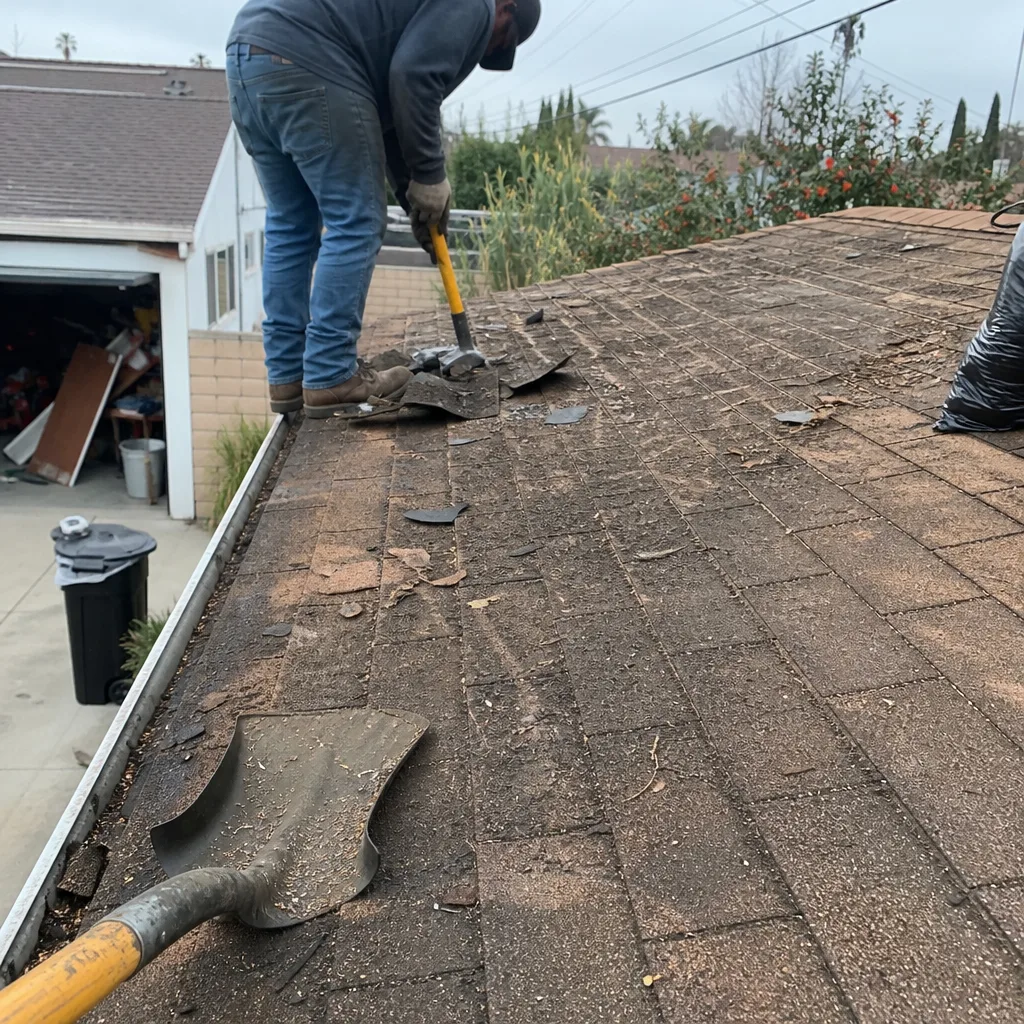 Before
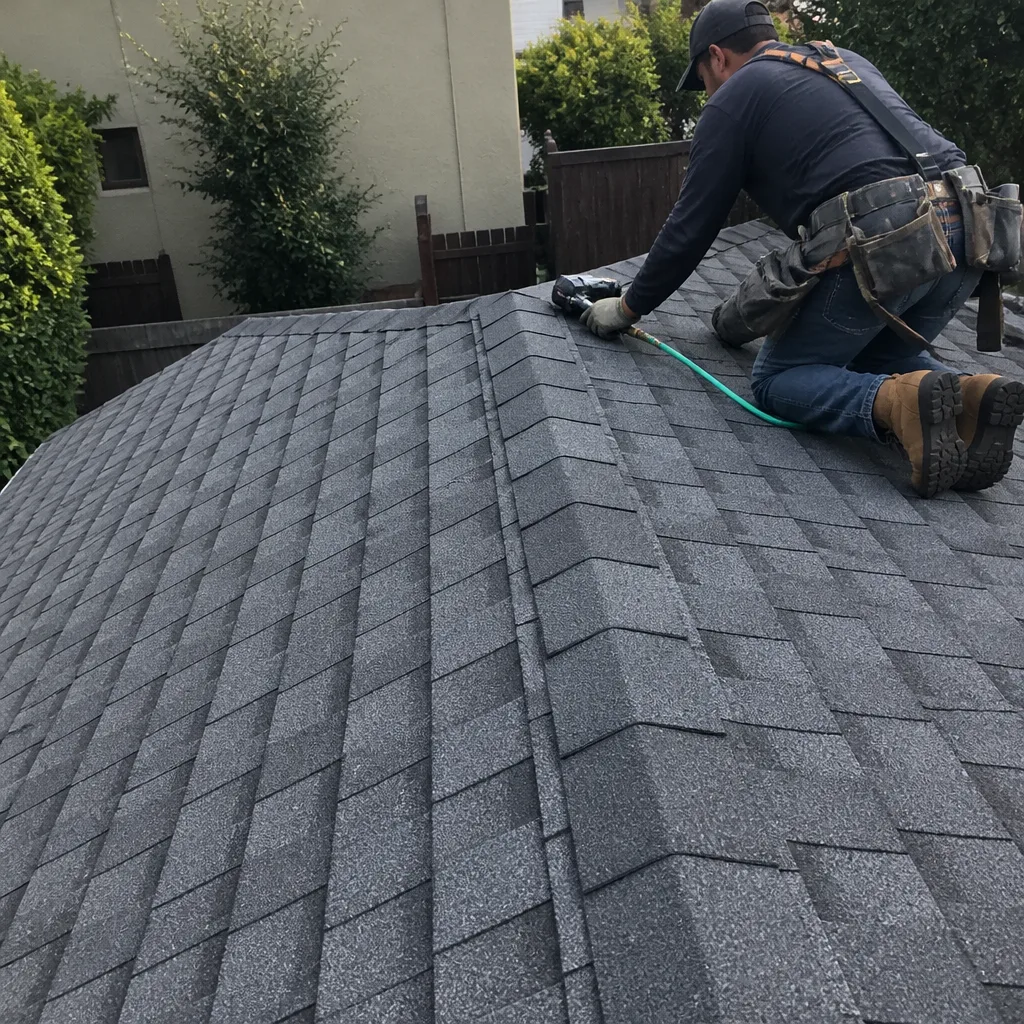 After
After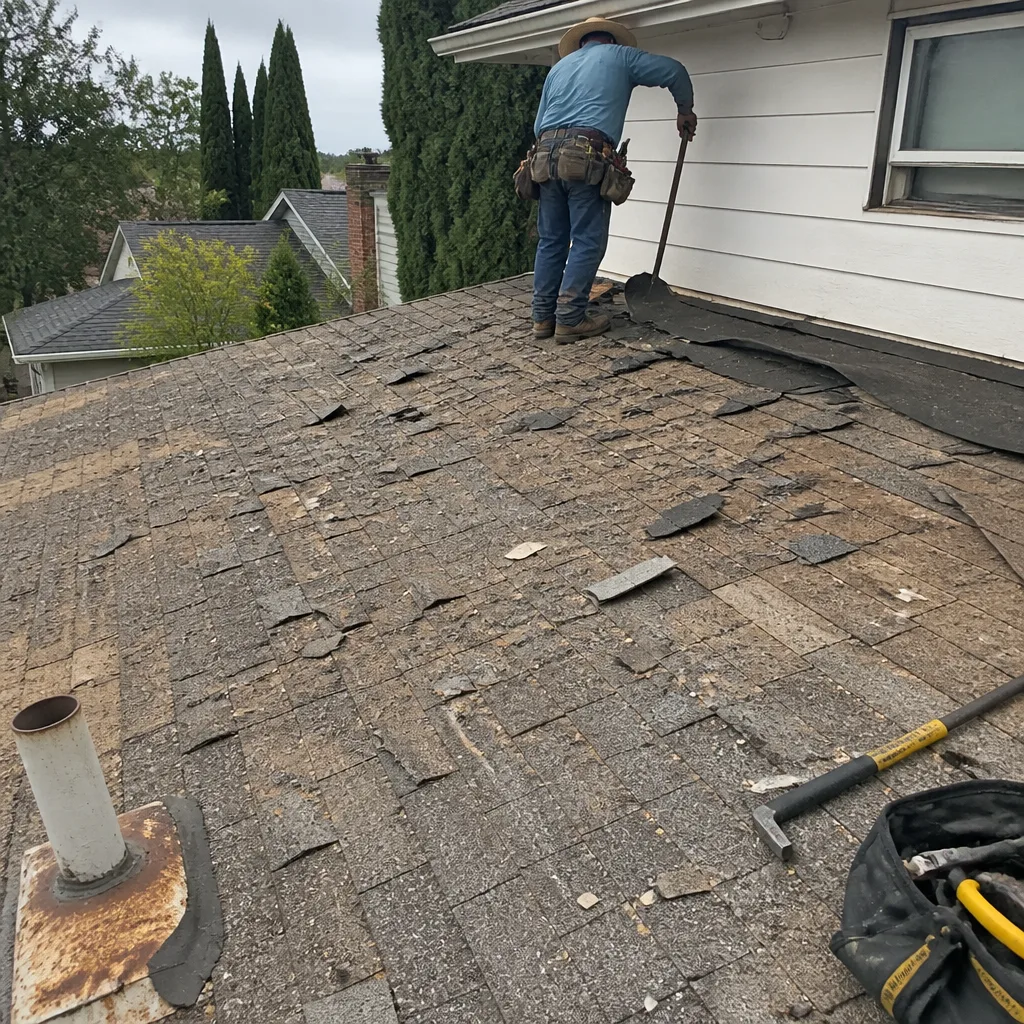 Before
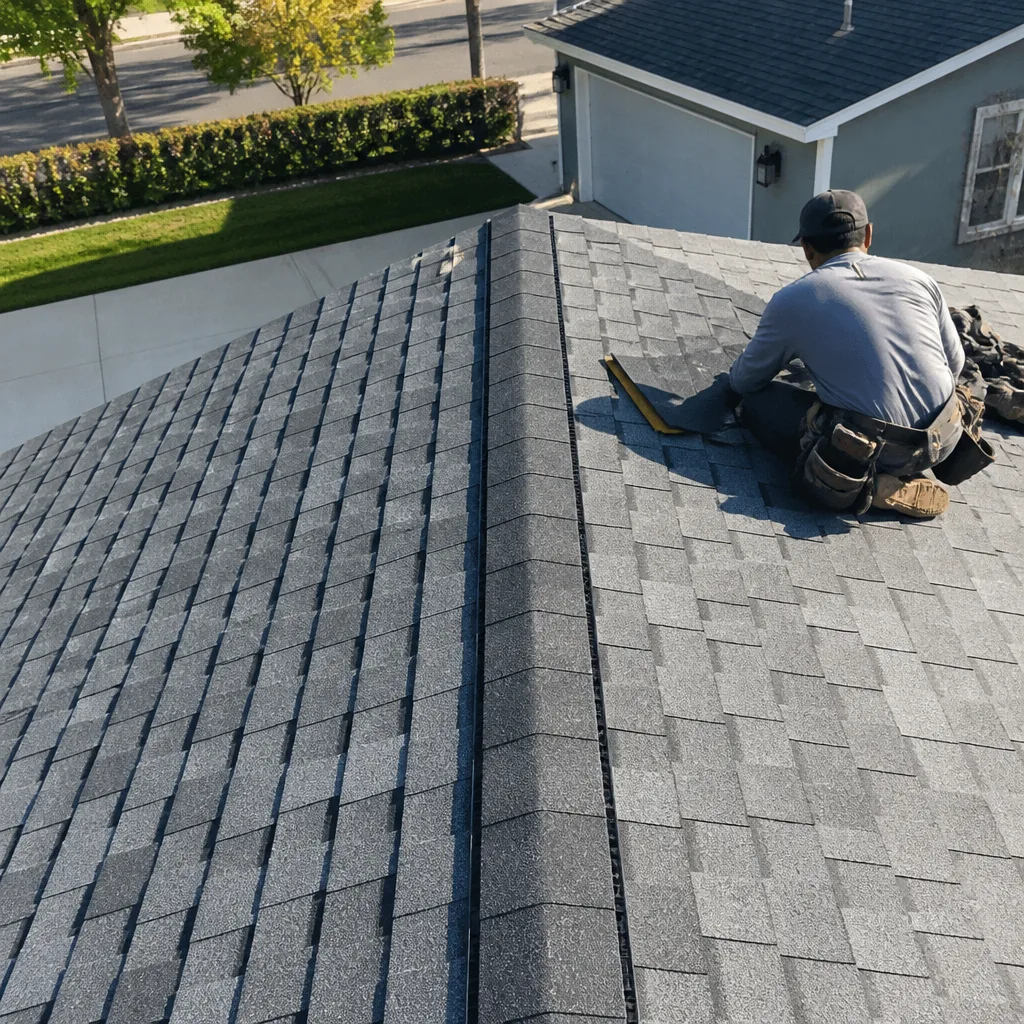 After
After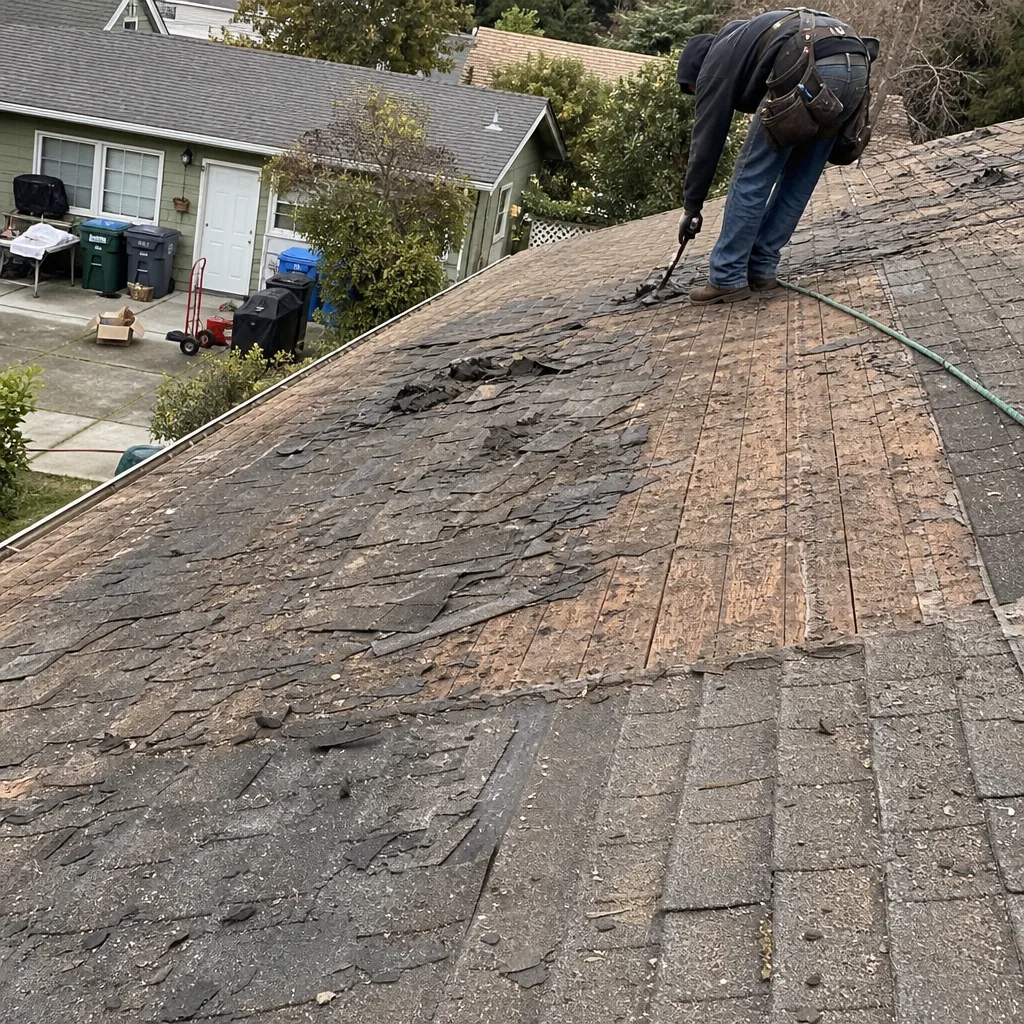 Before
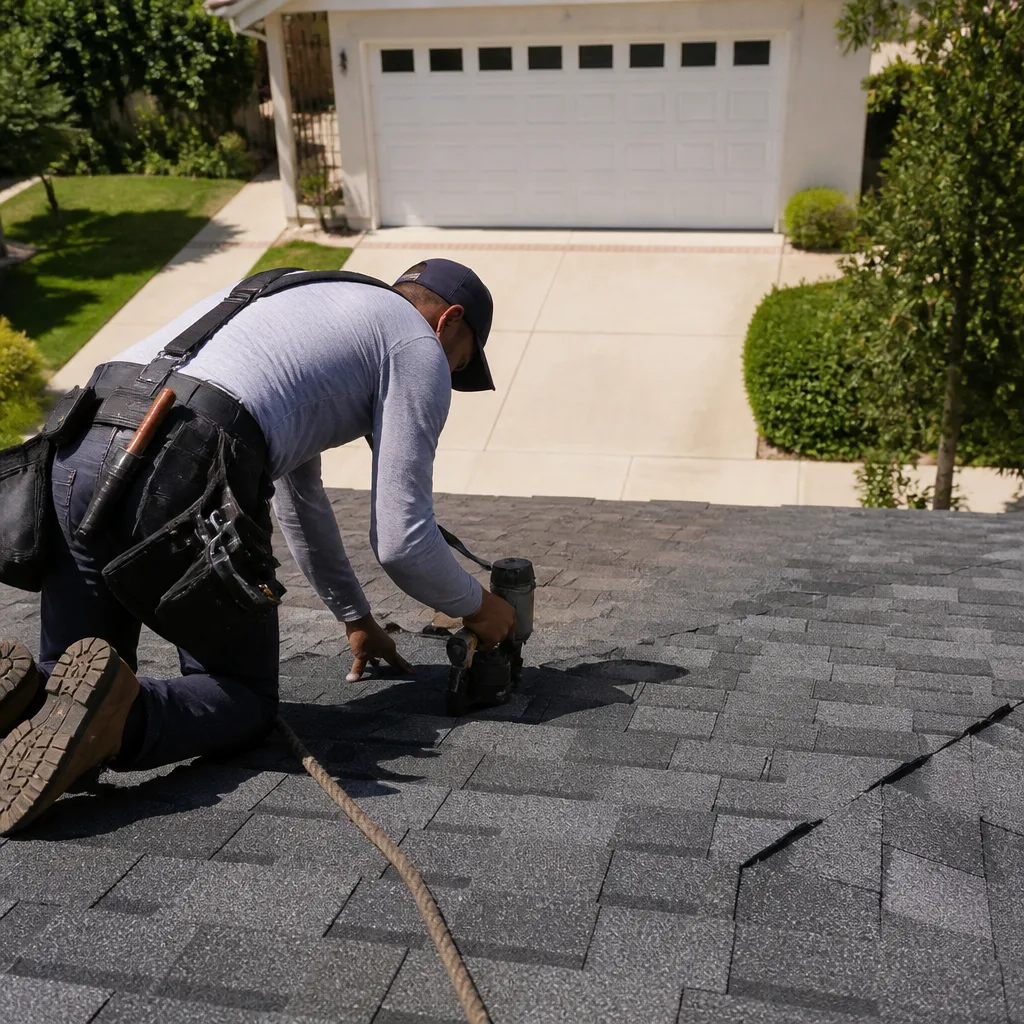 After
After